
Congressional investigations are very good at producing letters.
The harder part is producing numbers that let anybody outside the hearing room tell whether a system changed.
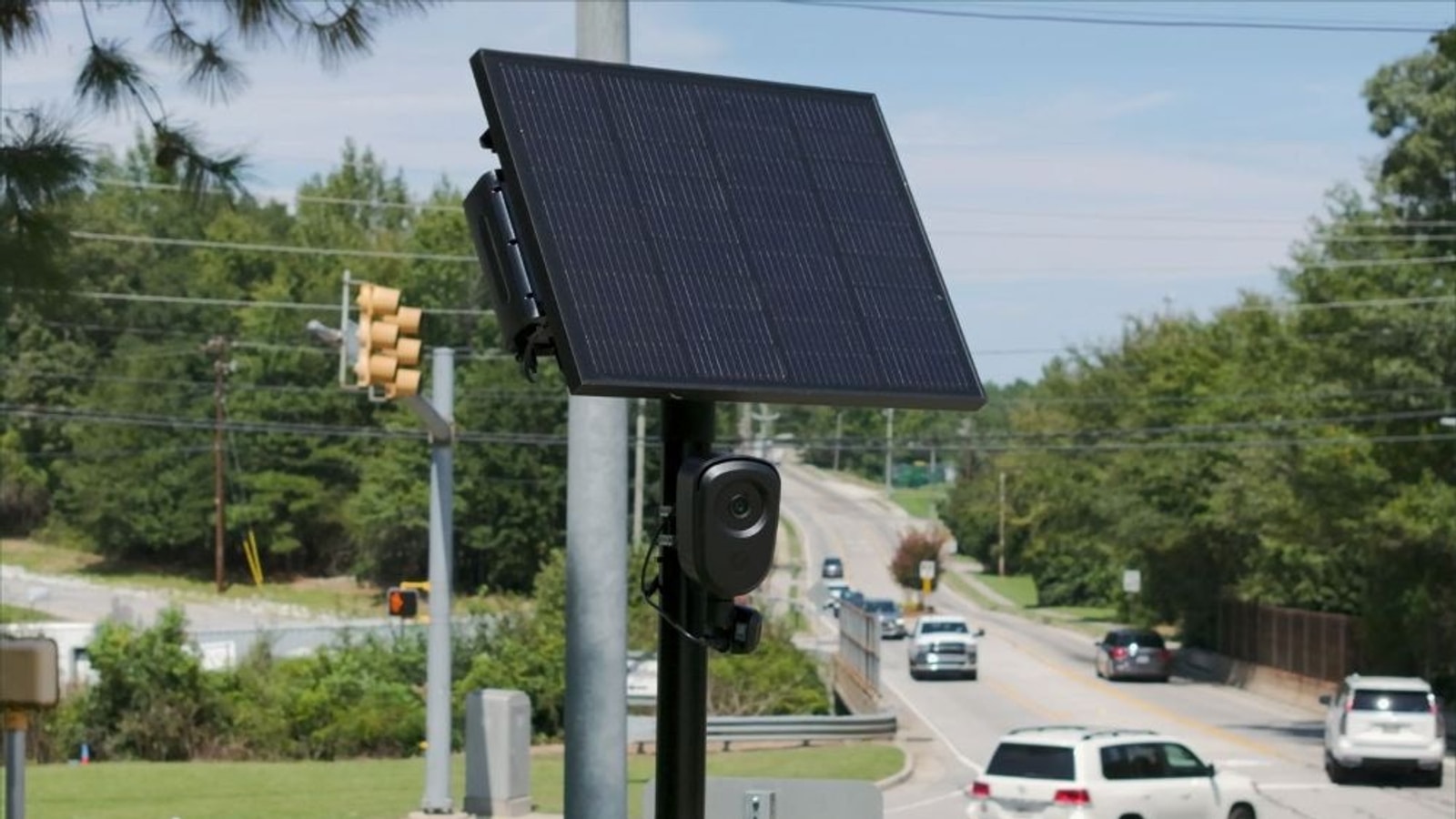
On Aug. 26, Sen. Josh Hawley announced an investigation into Flock Safety through the Senate Judiciary Subcommittee on Crime and Counterterrorism. His office says the inquiry focuses on how the company collects, retains, and disseminates data generated by its AI-powered camera network and what safeguards protect Americans' information.
The timing matters.
Flock had already announced a significant package of changes in August: a seven-day recommended ALPR retention default instead of 30 days, Evidence Mode for preserving selected records, mandatory Audit Assistance for law-enforcement customers, required case codes, stronger authentication, and proactive lockouts for abnormal use.
That gives Congress something more useful than a blank policy debate. It gives investigators a before-and-after system to measure.
Ask how many, not whether.
“Do you have safeguards?” is a weak oversight question because almost every modern platform can answer yes.
Better questions force policy into operational metrics:
- How many customers currently use seven-day retention, and how many override it?
- How often is Evidence Mode invoked, for how much data, and for how long?
- What percentage of law-enforcement users are covered by automated audit analysis?
- How many abnormal-use alerts resulted in temporary lockouts, investigations, or confirmed misuse?
- How many agencies share data outside their jurisdiction, and with how many partners?
- How many searches use emergency bypasses instead of ordinary case codes?
Those answers would let the public distinguish design intent from actual deployment.
Ownership and dissemination are different questions.
Flock's current terms say the customer owns Customer Data. The same contract grants Flock a limited, non-exclusive, royalty-free, irrevocable, perpetual worldwide license to use and disclose Customer Data to provide services and to use it to support and improve Flock products and services. The terms also say Flock shall not sell Customer Data.
That is a contract structure, not a contradiction. Ownership describes title. Access and licensed use describe what other parties may do under defined conditions.
Congress should therefore ask about both. Who owns the data? Who can technically access it? Who can authorize sharing? What does product improvement mean in practice? What is retained after the customer retention window? Those are separate propositions.
AI needs its own line of questioning.
Flock increasingly markets AI-assisted search, including natural-language search across vehicle and video evidence. If AI helps rank matches or surface patterns, oversight should ask what performance data exist, how uncertainty is presented to investigators, and what downstream actions require independent verification.
A privacy hearing that ignores model behavior would be examining yesterday's system.
The best outcome is a public measurement regime.
The Senate does not need to decide that all ALPR use is good or evil to improve accountability. It can force disclosure around retention, sharing, audit coverage, false-positive handling, access controls, and government requests.
The public argument gets better when vendors, agencies, and critics are fighting over the same measurable objects instead of mutually exclusive press releases.
The Senate inquiry is newly announced. Cyberdelia is evaluating what questions would make it empirically useful, not predicting Hawley's findings or assuming misconduct before evidence is produced.