
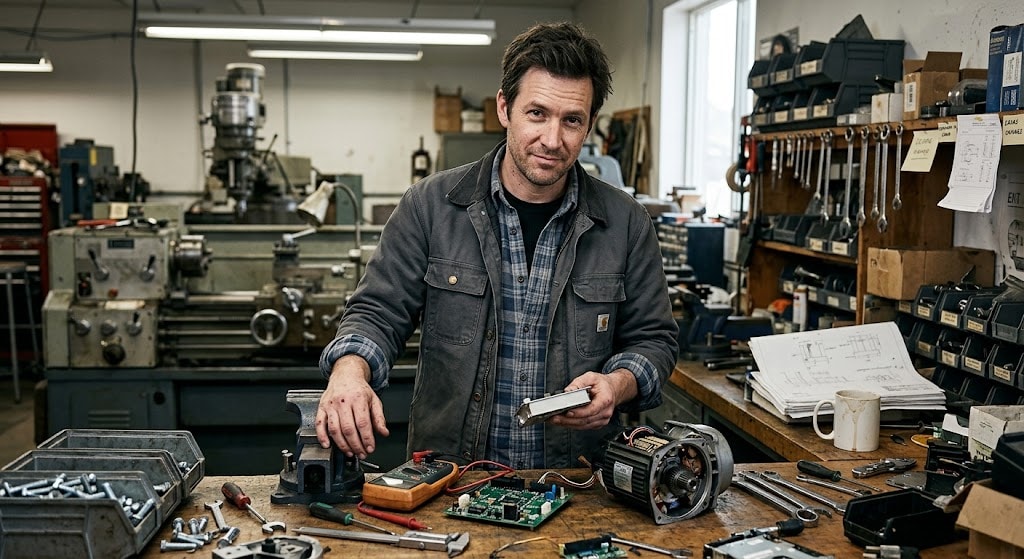
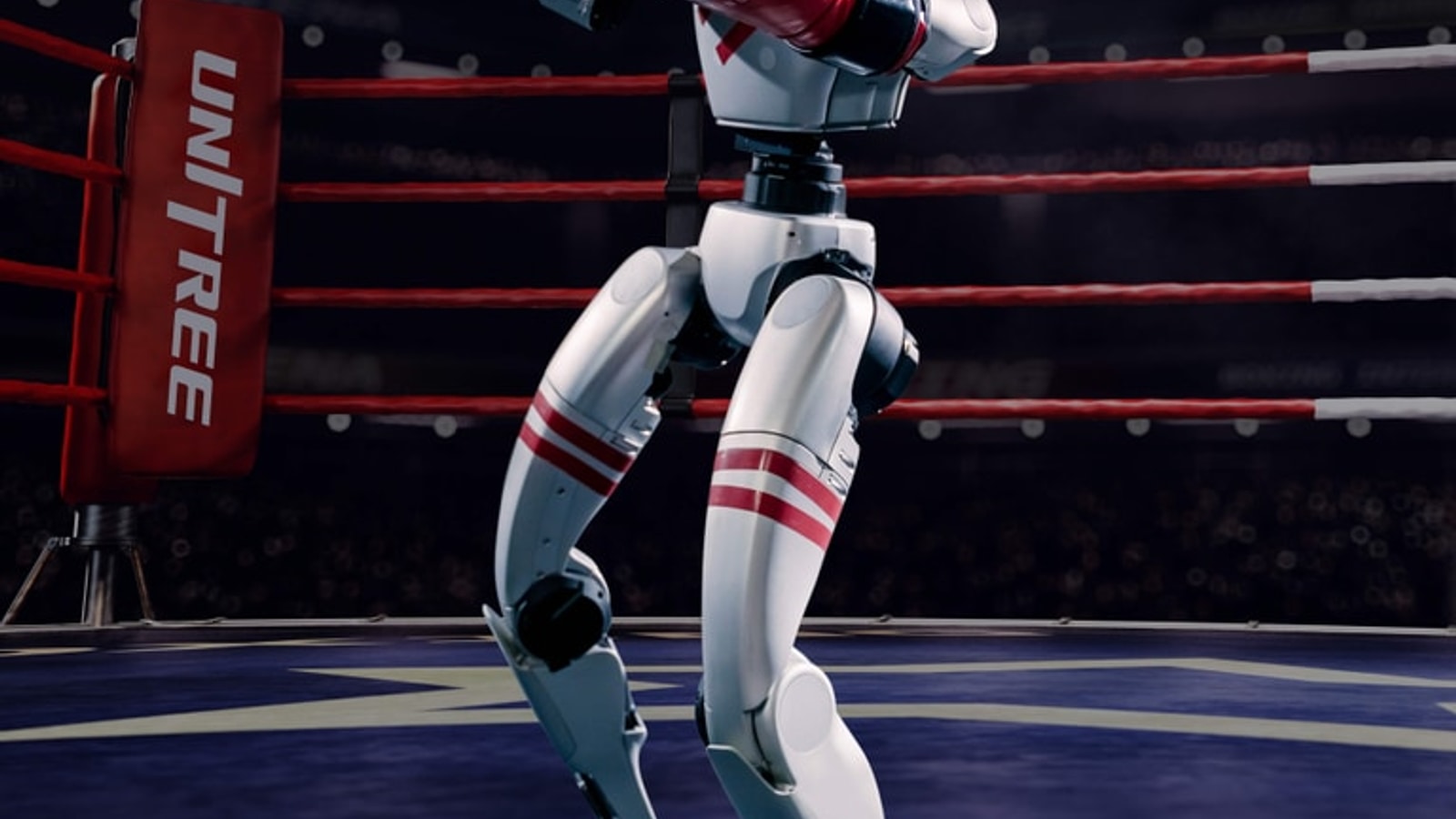
Every machine designer loves the component until somebody has to replace it under a clock. Robot boxing will cure that.
Unitree's G1 documentation already acknowledges ordinary mechanical reality. Joints can require fine tuning to compensate for wear deviation. Support material includes calibration, battery, hand removal and assembly guidance. Those are maintenance concerns before repeated impacts and falls.
Five minutes is a design requirement.
URKL's rules describe a limited emergency repair period. If a common failure requires twenty minutes and six covers to reach, a five-minute repair window is effectively zero. A failed module that can be identified and replaced quickly is competitively different from one buried behind panels and cable bundles.
Most failures will be boring.
Expect loose fasteners, damaged connectors, chafed cables, shifted sensors, overheated actuators, battery contacts, cracked mounts and bent brackets. These can be harder to diagnose than a dramatic broken limb because intermittent failures disappear on the bench.
Design for inspection before replacement.
Can technicians check joint temperature without dismantling the robot? Identify encoder disagreement immediately? Inspect high-stress fasteners? Distinguish a bad sensor from a bad cable? Repairability begins with diagnosis, then access.
Wear is information.
Combat teams should record calibration corrections over time. If one joint repeatedly needs adjustment after lateral impacts, that trend is data. If protection reduces visible damage but increases motor temperature, that is data too.
A competitive machine is not the robot that can perform once. It is the robot whose team can inspect, diagnose, repair, recalibrate and return it to service before the next bell. The championship belt may belong to software. The season belongs to the wrench.