

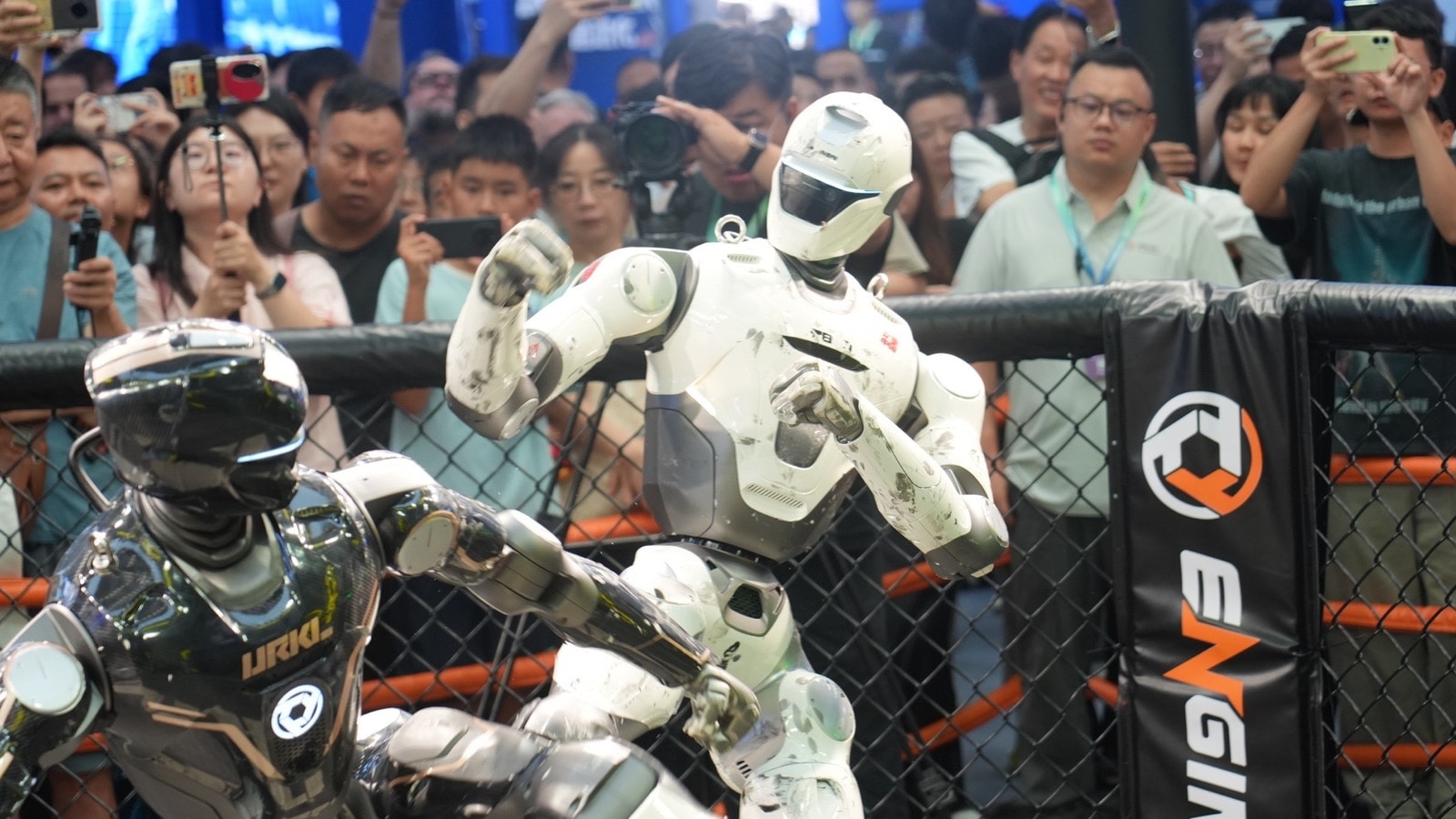
A viral robot fight is an audience event. A sport is a recurring business.
Humanoid combat is accumulating the ingredients that make the distinction worth watching: repeated events, city tours, named winners, qualifying structures, standardized rules and significant prizes. None of that proves the economics work. It proves there is enough structure to ask properly.
The first revenue is easy. Retention is harder.
Novelty sells tickets once. A durable league needs people to care who wins next time. That means recognizable teams, understandable rules, continuity and enough differentiation for rivalries and rematches. Sports monetize continuity.
Standard hardware changes the cost structure.
URKL's one-platform model can reduce the engineering arms race for teams and make the sport easier to explain. It can also concentrate procurement, spares and support costs at the league/platform layer. The economics depend on who absorbs those costs.
The real enemy is cost per event.
Robot fighting needs venues, barriers, technicians, transport, batteries, repair parts, insurance, production crews and machines expensive enough that a sporting collision can become a capital expense. A packed room does not guarantee a good business if hardware is consumed faster than revenue replaces it.
The internal metric may be contribution margin per completed fight card after hardware damage and technical operations.
Media can change the equation.
Robot combat is built for clips, but free viral distribution is not the same thing as an owned audience. Leagues need direct channels, repeat ticket buyers, subscriptions or sponsor value that survives the recommendation algorithm moving on.
The hardware industry may subsidize the sport.
A league can be marketing, recruiting, testing and data collection at the same time. Manufacturers may accept economics a pure sports investor would reject because events demonstrate hardware and produce developer interest.
The financial question is no longer absurd. The test is not whether people will watch robots fight; they clearly will. The test is whether leagues can turn novelty into repeat audience while driving down the technical cost of staging each event. Until unit economics are visible, treat robot fighting as a forming market, not a proven business model. This is editorial analysis, not individualized investment advice.