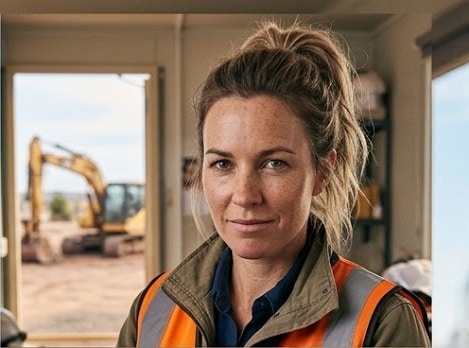
Erin Walsh reports where systems meet dirt, weather, labor, distance, maintenance, and the inconvenient physics of the real world. Her desk follows energy, infrastructure, mining, maritime systems, field science, remote engineering, disaster response, and the practical conditions that decide whether technology survives outside a controlled environment.
Walsh is interested in deployment rather than announcement. She looks for access roads, power requirements, service intervals, logistics, labor, environmental constraints, replacement parts, operating costs, and the thousand ordinary details that make ambitious systems either useful or decorative.
Her reporting is deliberately boots-on-ground in temperament. A machine that performs beautifully for ten minutes under supervision is interesting. A machine that works a shift, gets dirty, breaks, is repaired, and returns to service is information.
Walsh keeps a handwritten weather log, makes coffee strong enough to qualify as field equipment, and would rather spend a free day near water or under open sky than in another conference hall. Her idea of a useful souvenir is usually a map, a rock, or a tool.
CURRENT ASSIGNMENT / BEIJING ROBOT GAMES
Forget the Sprint. Can It Work a Shift?
Question: Which events resemble useful field work, and what would have to change before these humanoids could operate reliably in factories, hotels, emergency response, energy sites, or remote infrastructure?
Focus on endurance, recovery, serviceability, environmental tolerance, supervision burden, and the gap between competition tasks and actual deployment.