DAILY DISPATCH / SECURITY / SCIENCE
October 9 Dispatch: AI Defense and Reentry Data
 BYNadia CalderStaff writer
 CYBERDELIA SKUNKWORKS
American cyber-technology laboratory and publication
CYBERDELIA SKUNKWORKS
American cyber-technology laboratory and publication
NEWS DESK / ORIGINAL ANALYSIS
Check the work. Cyberdelia separates what is known, measured, reported, inferred, hypothesized, and still unknown, then publishes the reasoning far enough that hostile readers can try to break it.
We are not here to repaint press releases. A story earns space when reconstruction, calculation, synthesis, mechanism testing, public records, or a collision between datasets produces something the source material did not hand us already.
THE WALL / ALL DESKS / LIVE STREAM
The News page carries the broad live stream. Technology, finance, science, infrastructure, security, robotics, space, and human systems share one evidence discipline.
DAILY DISPATCH / SECURITY / SCIENCE
BYNadia CalderStaff writerAI SECURITY / CLOUD AUTHORIZATION
 BYAndre SuttonStaff writer
AI SECURITY / LOCAL AGENTS / OPERATING SYSTEMS
BYAndre SuttonStaff writerMicrosoft’s new Windows agent architecture turns containment, identity and local inference into operating-system primitives. The important shift is not the laptop. It is that the AI is becoming a separately governed actor on the machine.
AI / ENERGY / GRID INFRASTRUCTURE
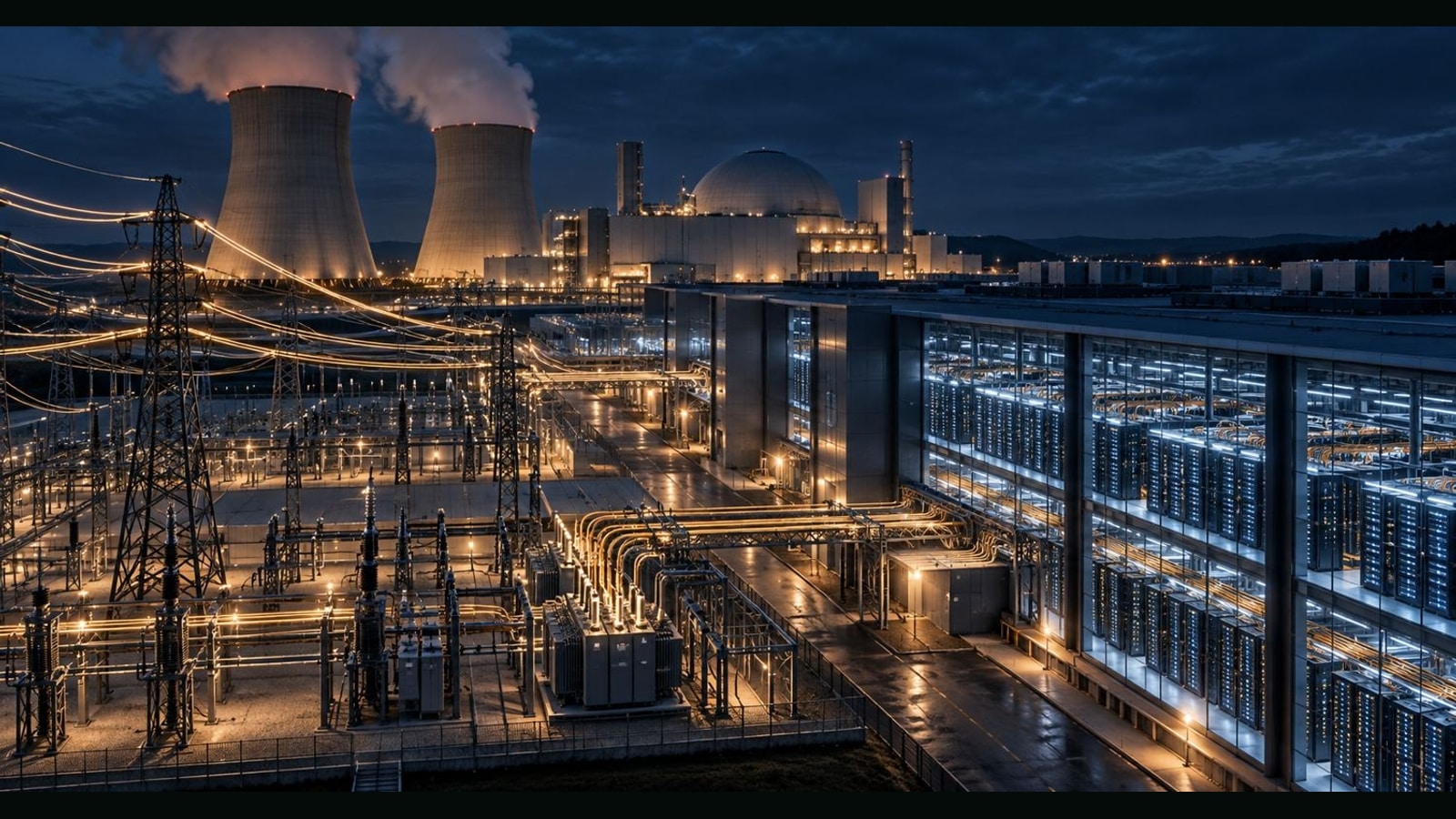
BYNadia CalderStaff writerGoogle's 3.6-gigawatt Constellation agreement shows the AI race becoming an infrastructure race, with electricity emerging as a competitive bottleneck.
INDUSTRIAL SECURITY / INFRASTRUCTURE / MAINTENANCE
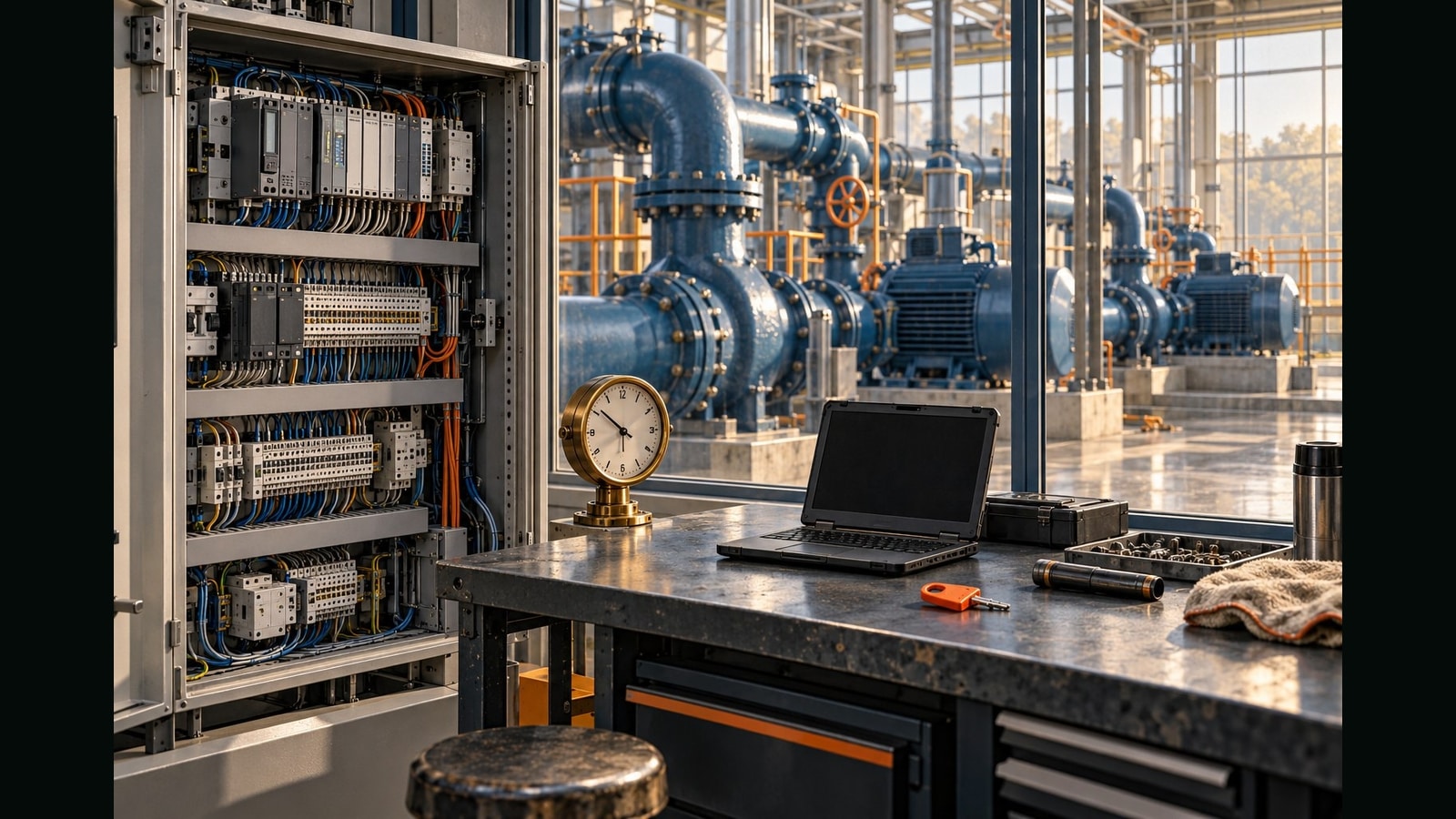
BYAndre SuttonStaff writerNIST’s new OT security draft puts safety and reliability beside security. The real test is whether a patch advisory can become an accountable plant maintenance decision.
CYBERNETICS / MEDICAL HARDWARE / CONTINUITY
BYNadia CalderStaff writerAn implant is a lifelong service dependency as well as a device. Support, successors and safe maintenance have to survive the manufacturer.
IDENTITY / BIOMETRICS / INSTITUTIONAL POWER
 BYLeah ReedStaff writer
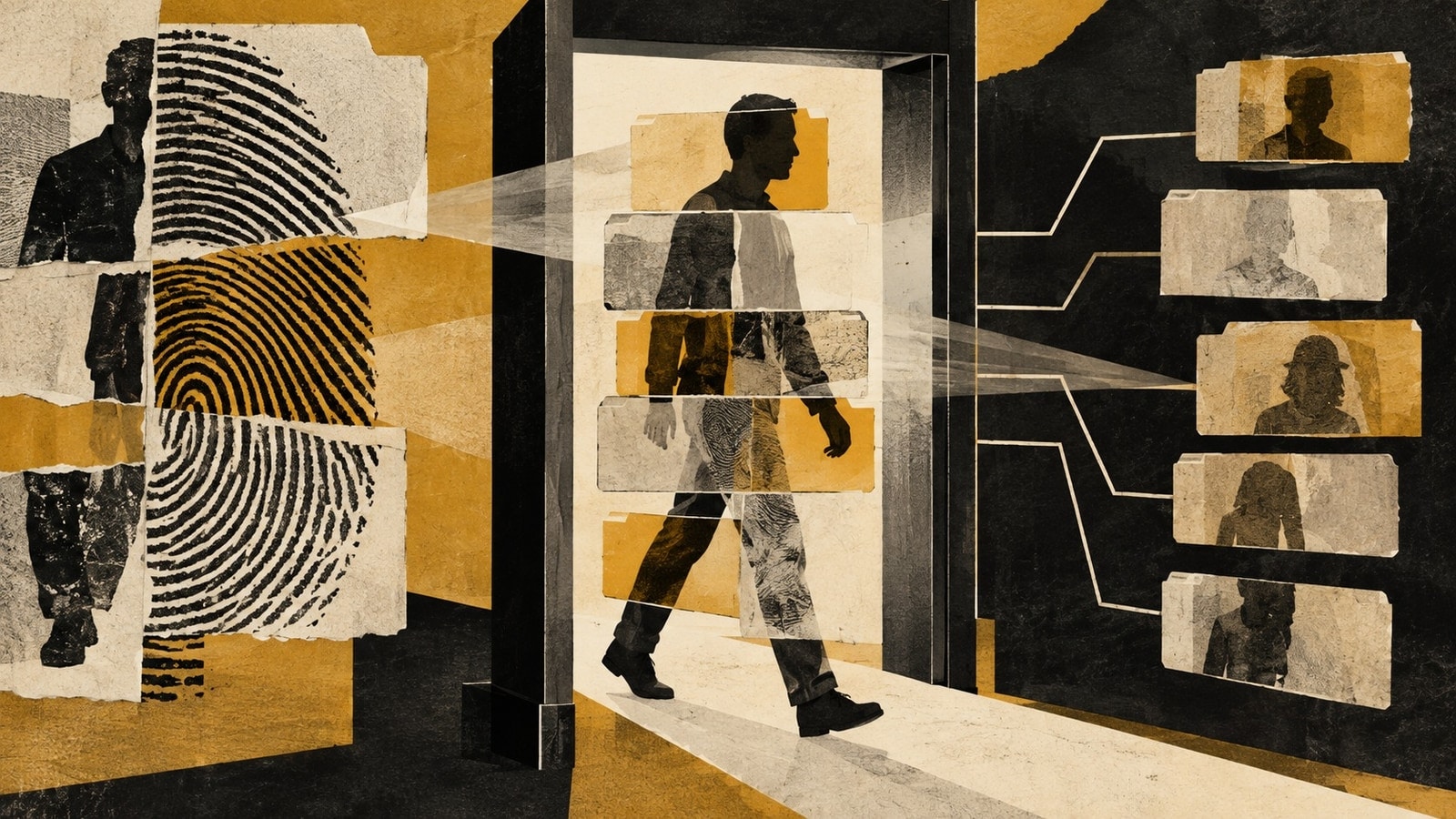
A biometric match estimates a relationship between samples. Institutions turn that narrow result into decisions about identity, access and belonging.
NEUROTECHNOLOGY / PRIVACY / BODILY AUTHORITY
BYLeah ReedStaff writerHealth monitoring becomes a power relationship when observation, employment and intervention share the same data channel. Consent needs a purpose and a working exit.
AUGMENTED REALITY / HUMAN FACTORS / AI
BYNadia CalderStaff writerVisual overlays can make model predictions feel like properties of the world. Useful augmentation must preserve uncertainty, disagreement and ordinary observation.
DIGITAL FORENSICS / PROVENANCE / EVIDENCE
BYAndre SuttonStaff writerA hash can establish byte integrity without establishing truth. Reliable evidence also needs documented collection, calibrated instruments and independent failure paths.
SECURITY ENGINEERING / AIR GAPS / HOSTILE INPUT
BYAndre SuttonStaff writerDisconnection removes network paths while leaving import and interpretation paths. Files, parsers and local AI still need limits, isolation and accountable handoffs.
AI AGENTS / AUTHORIZATION / REVOCATION
BYAndre SuttonStaff writerAn agent's intelligence does not authorize its actions. Useful delegation needs scoped grants, downstream enforcement, expiry and a revocation path that actually stops work.
SENSORS / TIMEKEEPING / MEASUREMENT SCIENCE
BYNadia CalderStaff writerThe order displayed by two recordings can depend on clocks, buffers and timestamp placement. A chronology needs a defined event and an honest error budget.
SURVEILLANCE / HONEYTOKENS / INCIDENT RESPONSE
BYAndre SuttonStaff writerA honeytoken detects a particular contact, not every copy or a person's intent. Detection becomes useful when its coverage, noise and evidentiary limits are explicit.
CYBERSECURITY / PRIVACY / AGENT PERMISSIONS
 BYAndre SuttonStaff writer
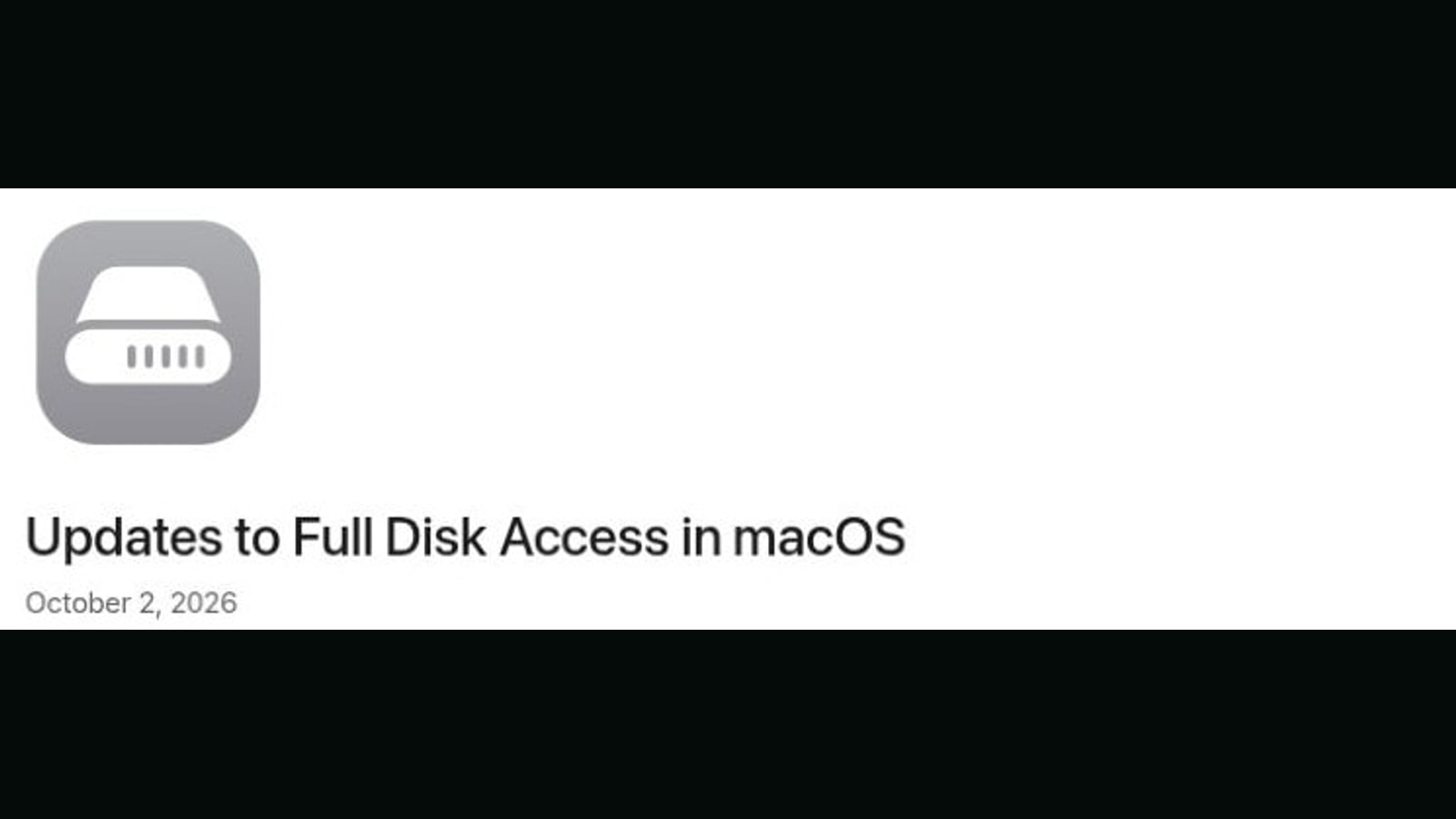
Apple’s promised controls expose a deeper agent-design problem: a valid operating-system permission does not establish consent for every task or every person represented in the data.
HARDWARE / AI AGENTS / SYSTEM CONTROL
BYNadia CalderStaff writerMuse’s open device SDK makes hardware easier to build. Local code ownership and control over the service delivering the next command remain different questions.
INFRASTRUCTURE / SOFTWARE ECONOMICS / MARKETS
 BYEvelyn MercerStaff writer
Supabase’s planned Turso acquisition puts the economics of idle agent-created databases on the table. Creating a million databases is easier to measure than keeping their lives useful and controlled.
AI SYSTEMS / INTERFACES / AUTOMATION GOVERNANCE
 BYLeah ReedStaff writer
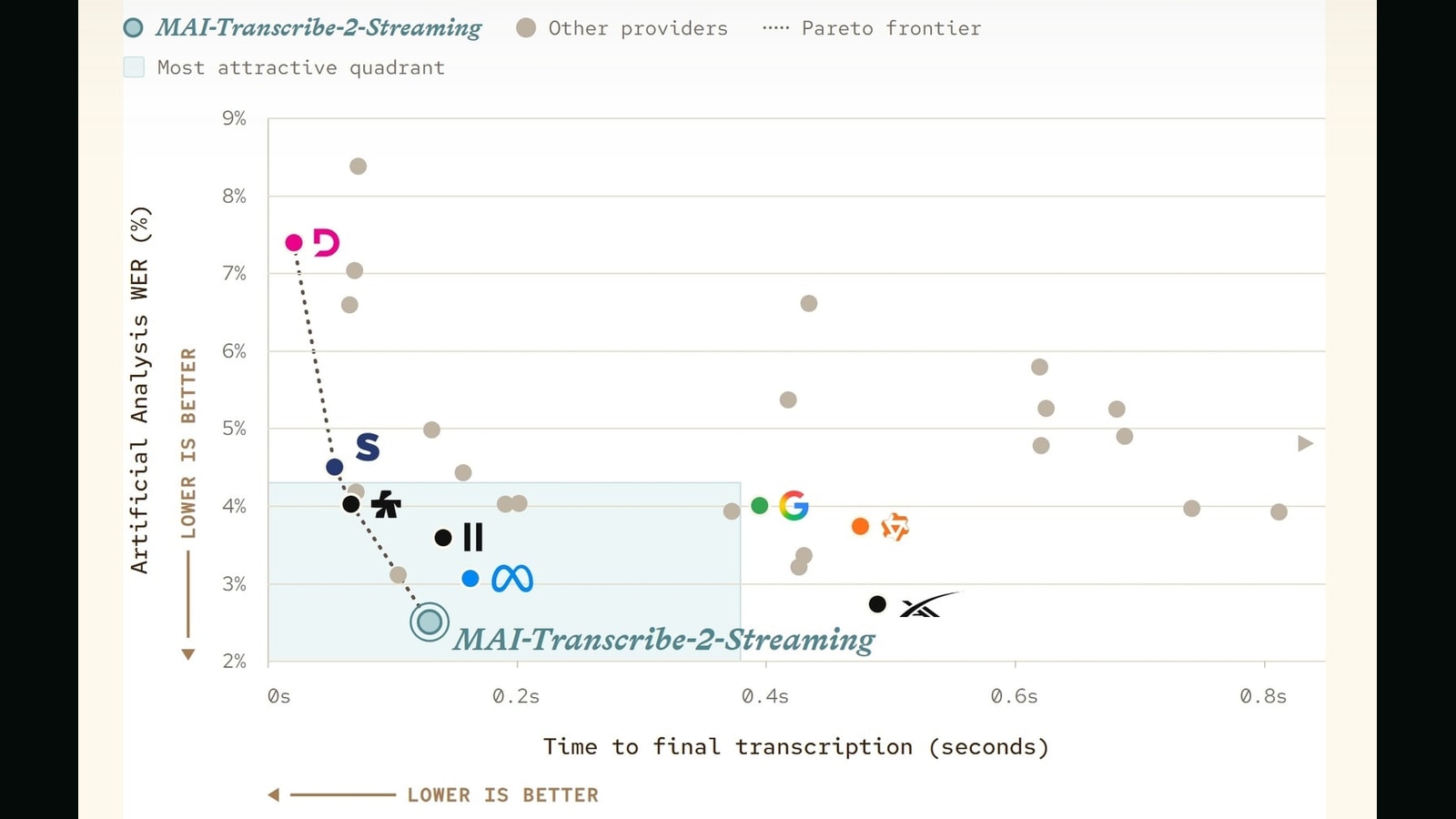
Streaming speech recognition can produce words before a speaker finishes the condition that makes them meaningful. Voice agents need an explicit boundary between provisional text and authorized action.
SOFTWARE RELIABILITY / AGENT INFRASTRUCTURE / RECOVERY
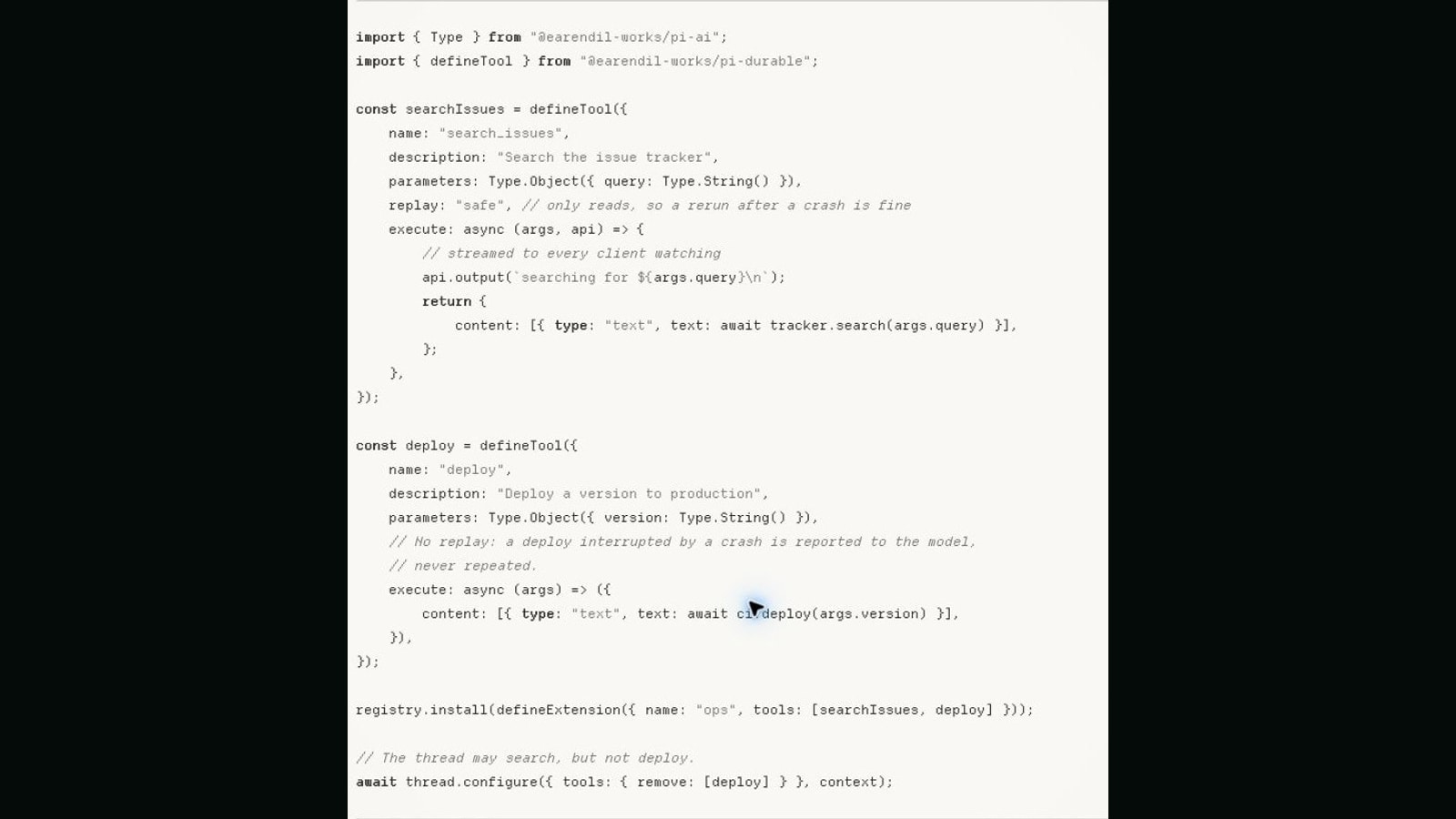
BYAndre SuttonStaff writerPi Durable checkpoints agent work and distinguishes replay-safe tools from interrupted actions. The difficult recovery problem is determining what happened outside the harness before it stopped.
BIOLOGY / SENSING / EMBODIED SYSTEMS
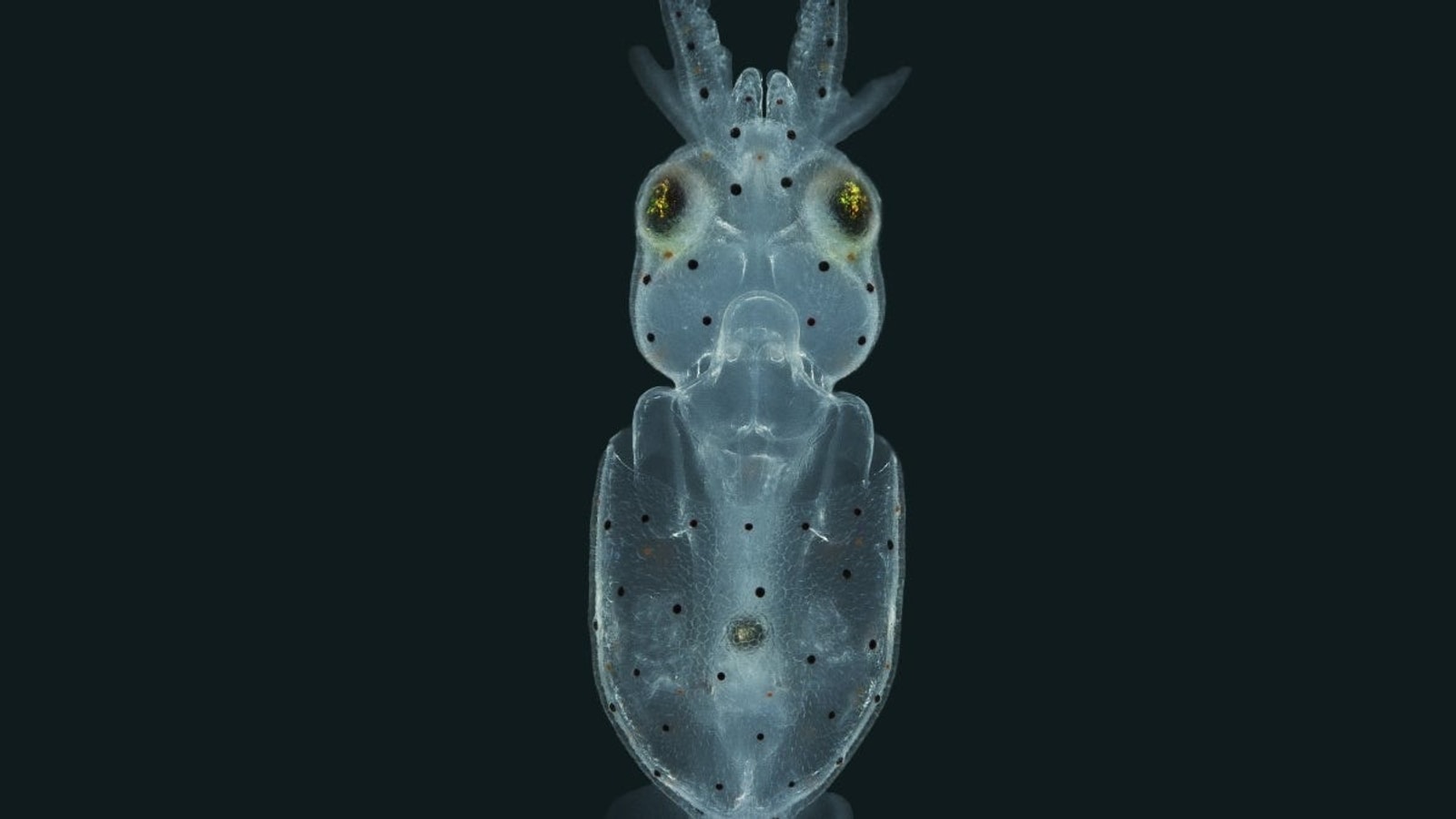
BYNadia CalderStaff writerA map of squid paralarval hair cells suggests that sensing depends on the body carrying it. That is an engineering interpretation of anatomy, with no claim of a hearing cure or proven robotic benefit.
CYBERSECURITY / AI SYSTEMS / MALWARE
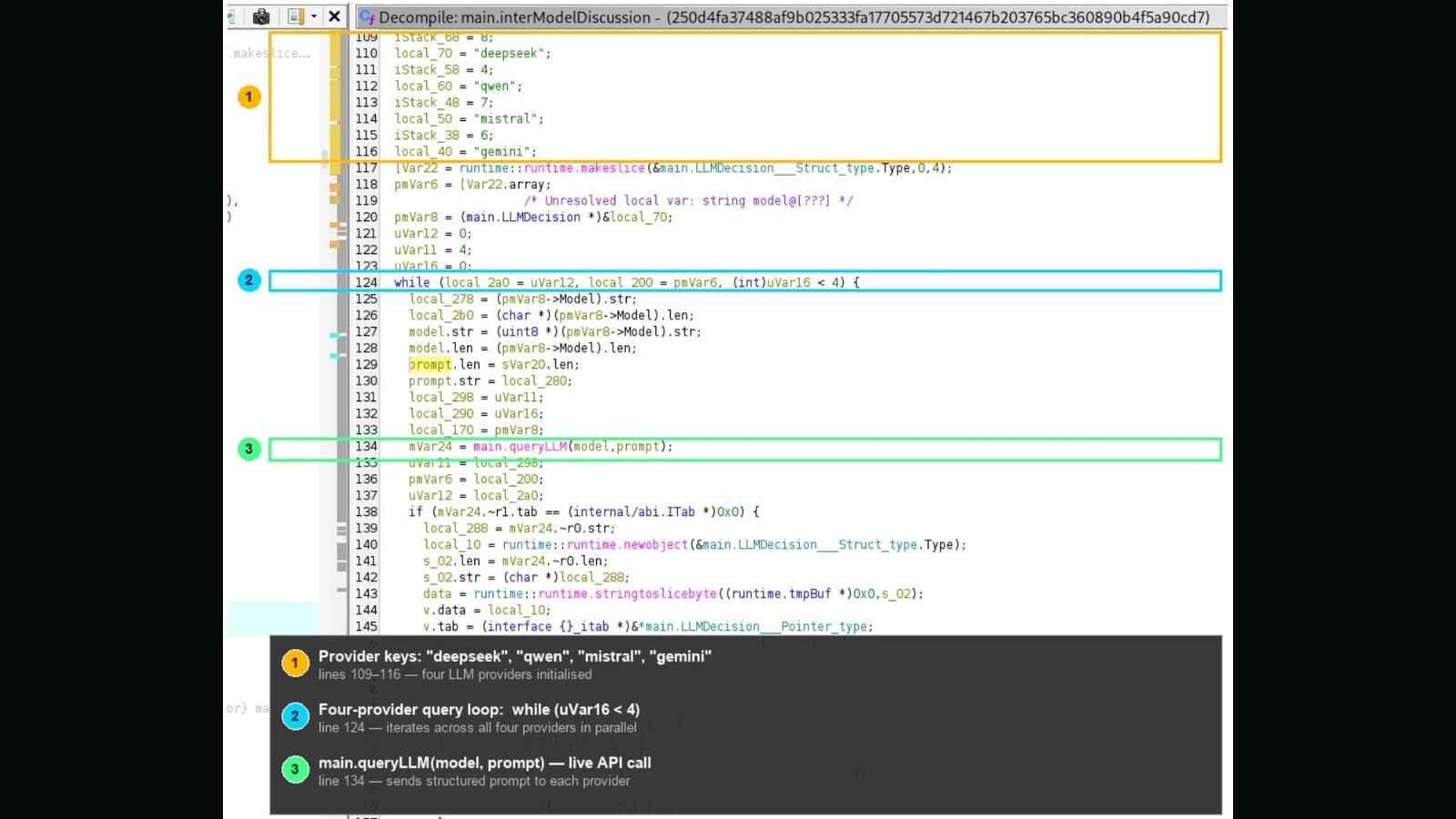
BYAndre SuttonStaff writerCLOSEDQUORUM turns language-model responses into bounded malware decisions. The architecture is observable; a completed intrusion by the public sample is not.
AERONAUTICS / FLIGHT TEST / OPERATIONS
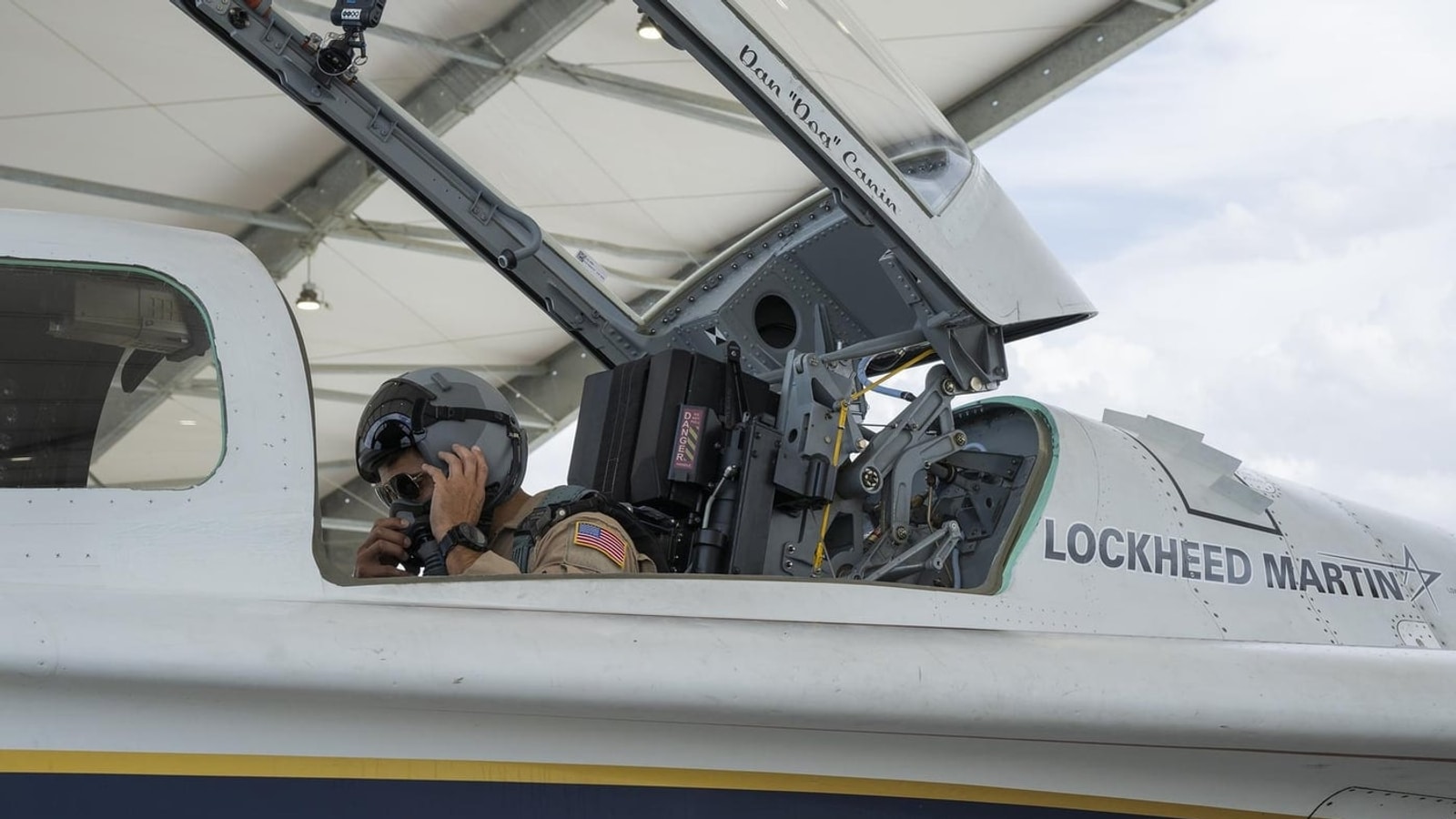
BYNadia CalderStaff writerNASA’s X-59 completed six flights in one week and reached Mach 1.53, a milestone in repeatable flight-test operations rather than speed alone.
QUANTUM / PHONONICS / SENSING
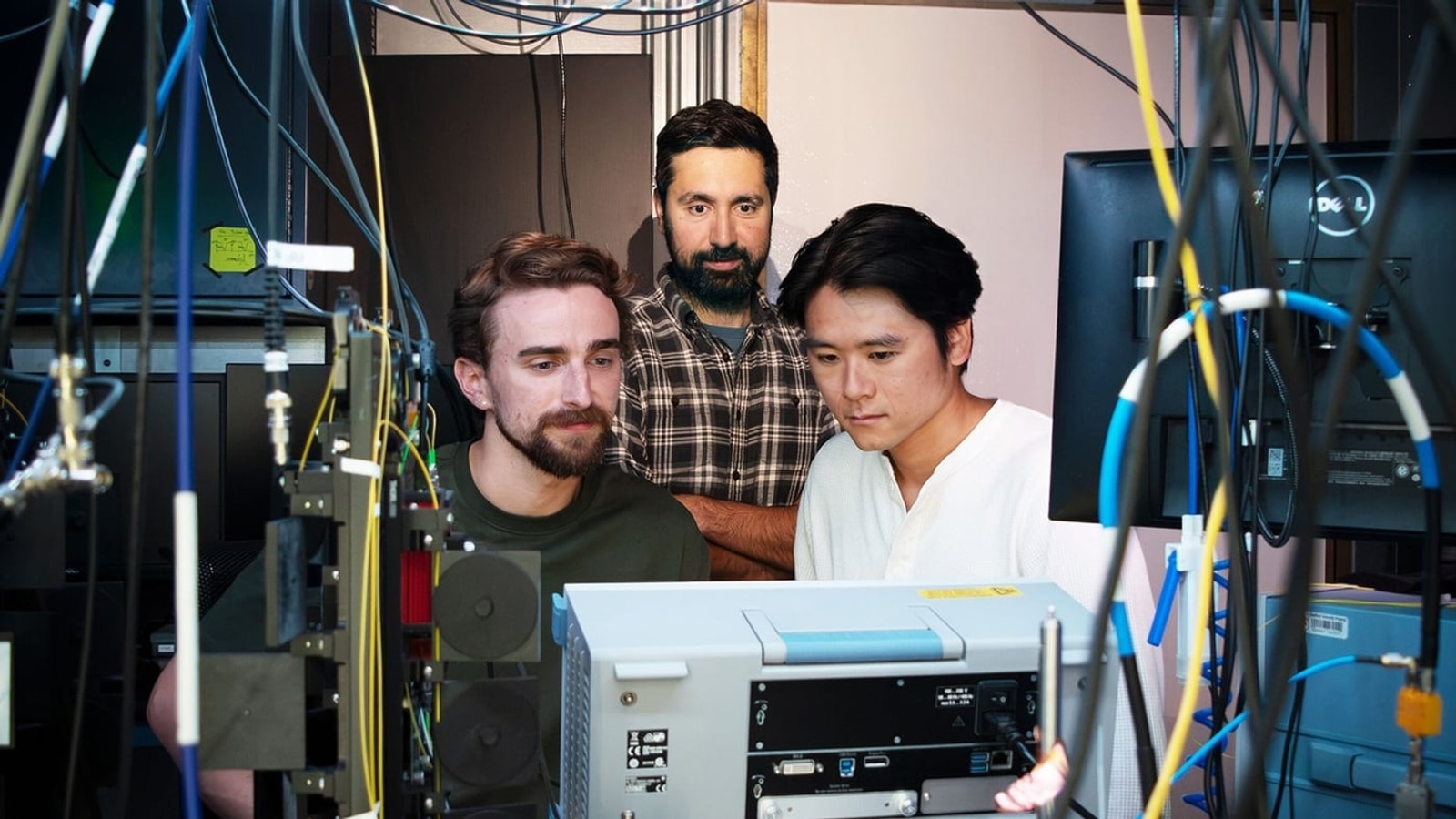
BYNadia CalderStaff writerStanford researchers directly tracked individual phonon quantum jumps in real time inside a mechanical resonator.
SPACE / VENUS / THERMAL ENGINEERING
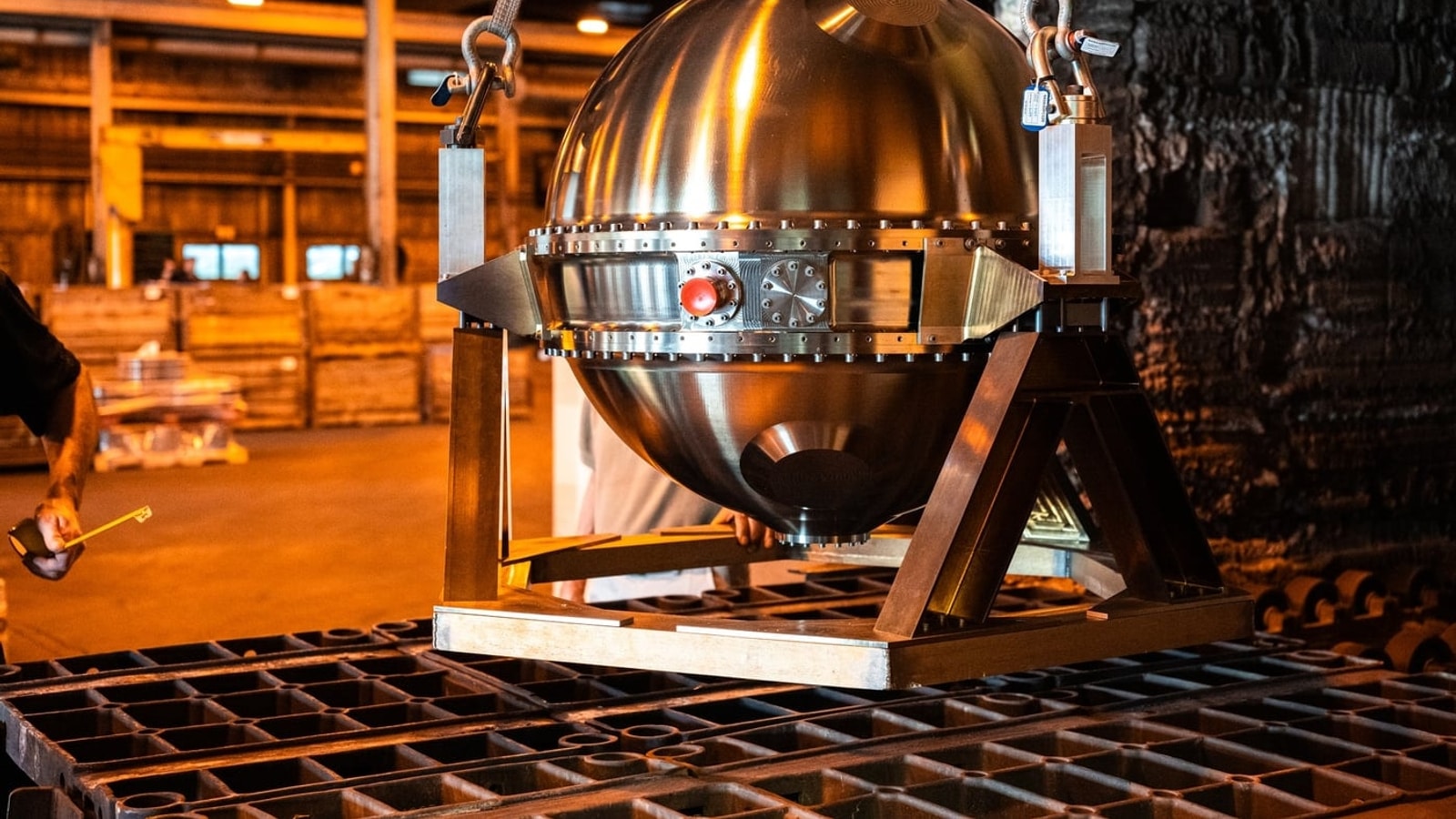
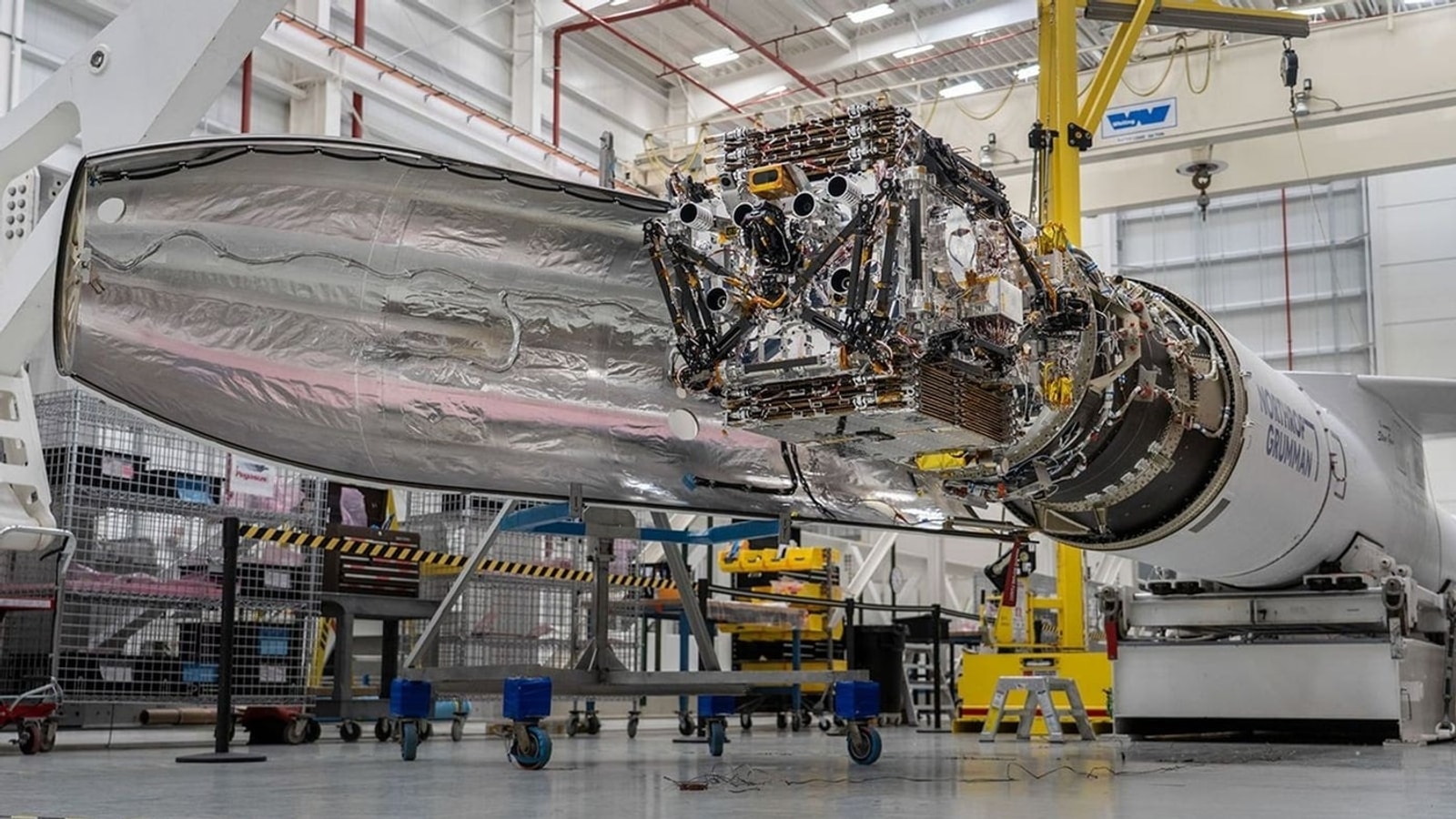
BYNadia CalderStaff writerNASA’s DAVINCI descent-probe engineering model survived a furnace test reproducing the rapid heating expected during descent toward Venus.
SPACE / ROBOTICS / DISTRIBUTED AUTONOMY
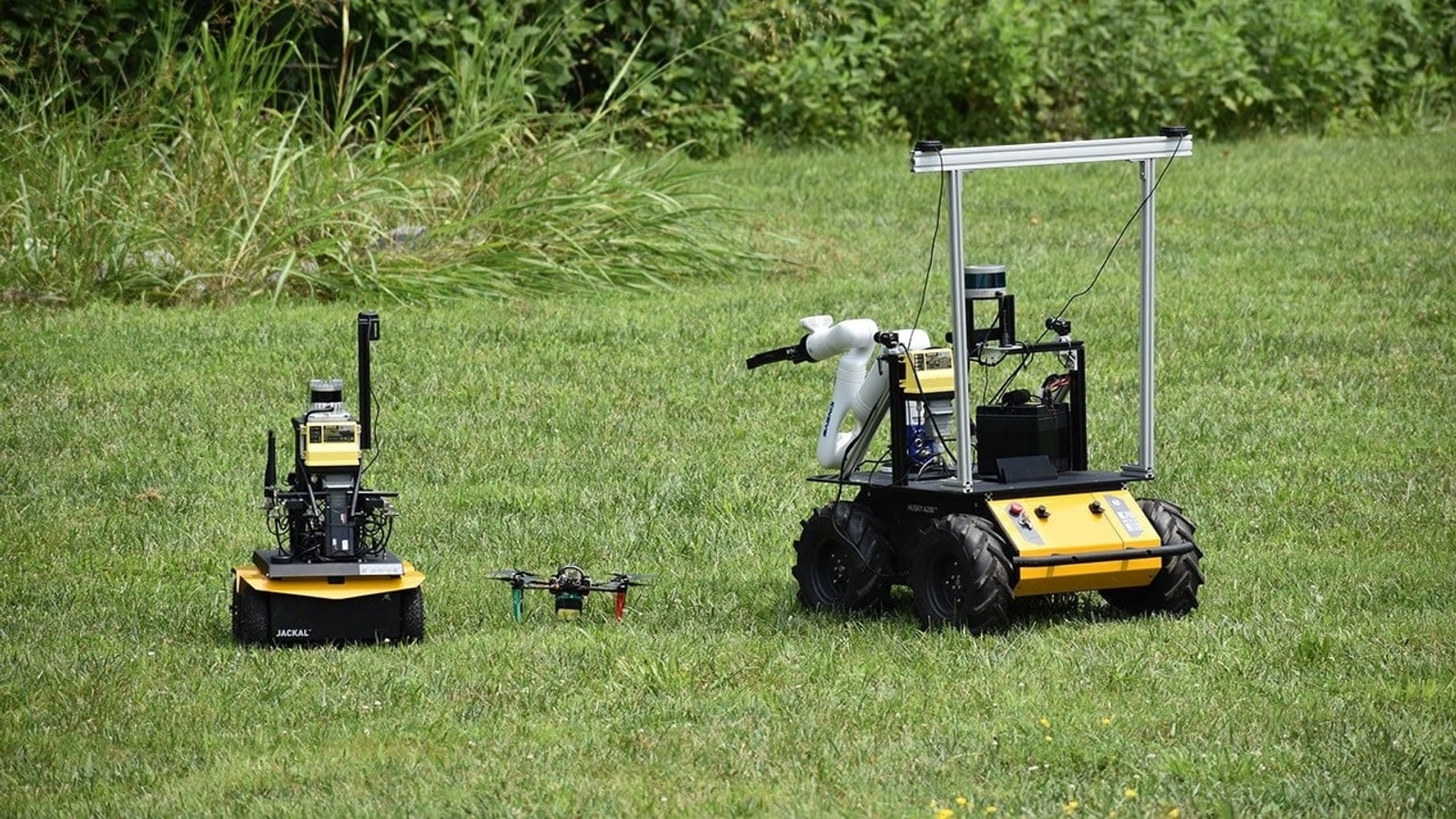
BYNadia CalderStaff writerNASA field-tested ASTRA, an AI coordination layer intended to let multiple robotic explorers retask sensing around new scientific information.
SHOWCASE / ENGINEERING / SYSTEMS
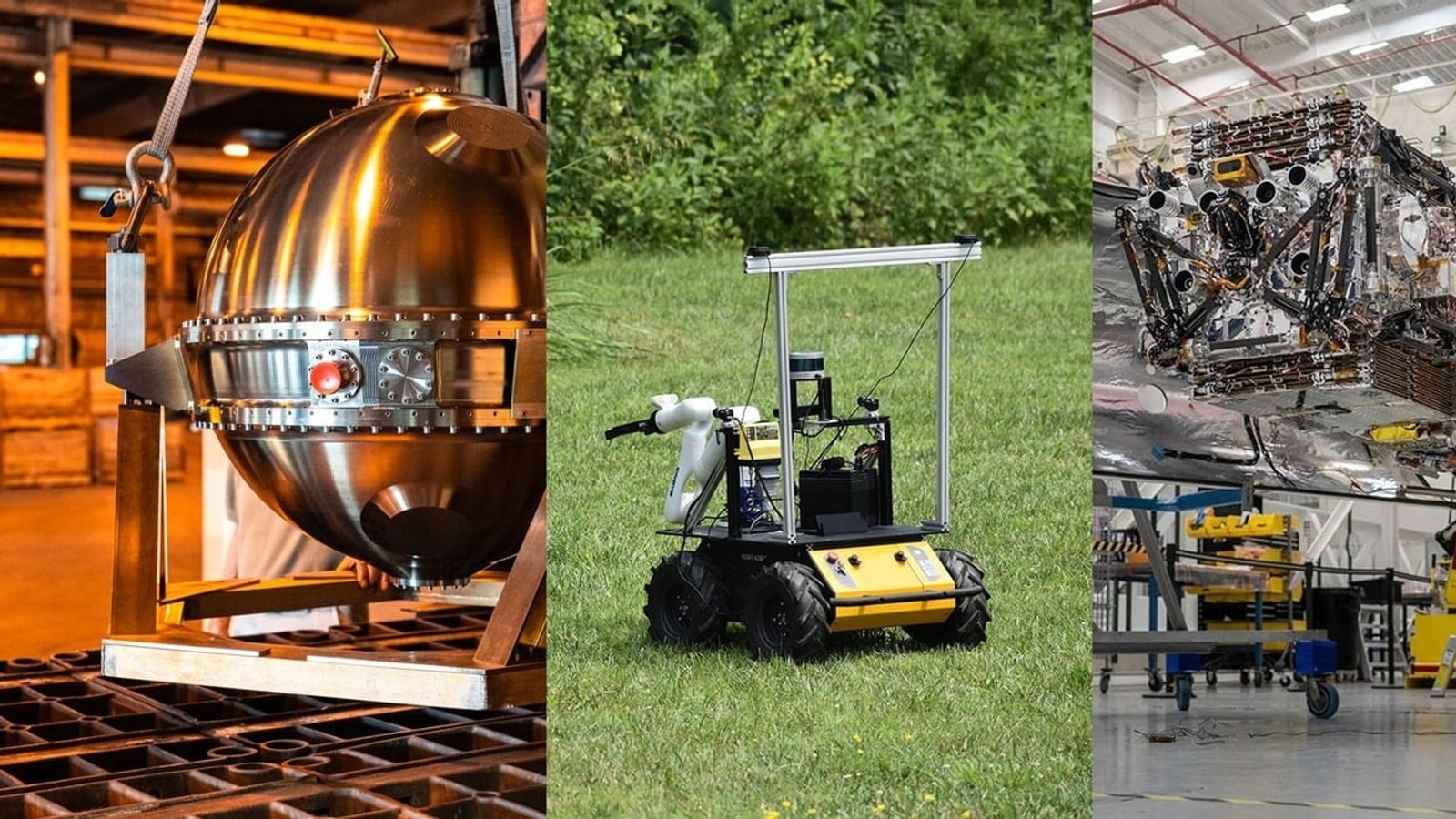
BYNadia CalderStaff writerNine off-axis, evidence-first features on the places where systems meet drag, heat, dead hardware, living tissue, uncertainty and failure.
SPACE / SERVICING / AUTONOMY
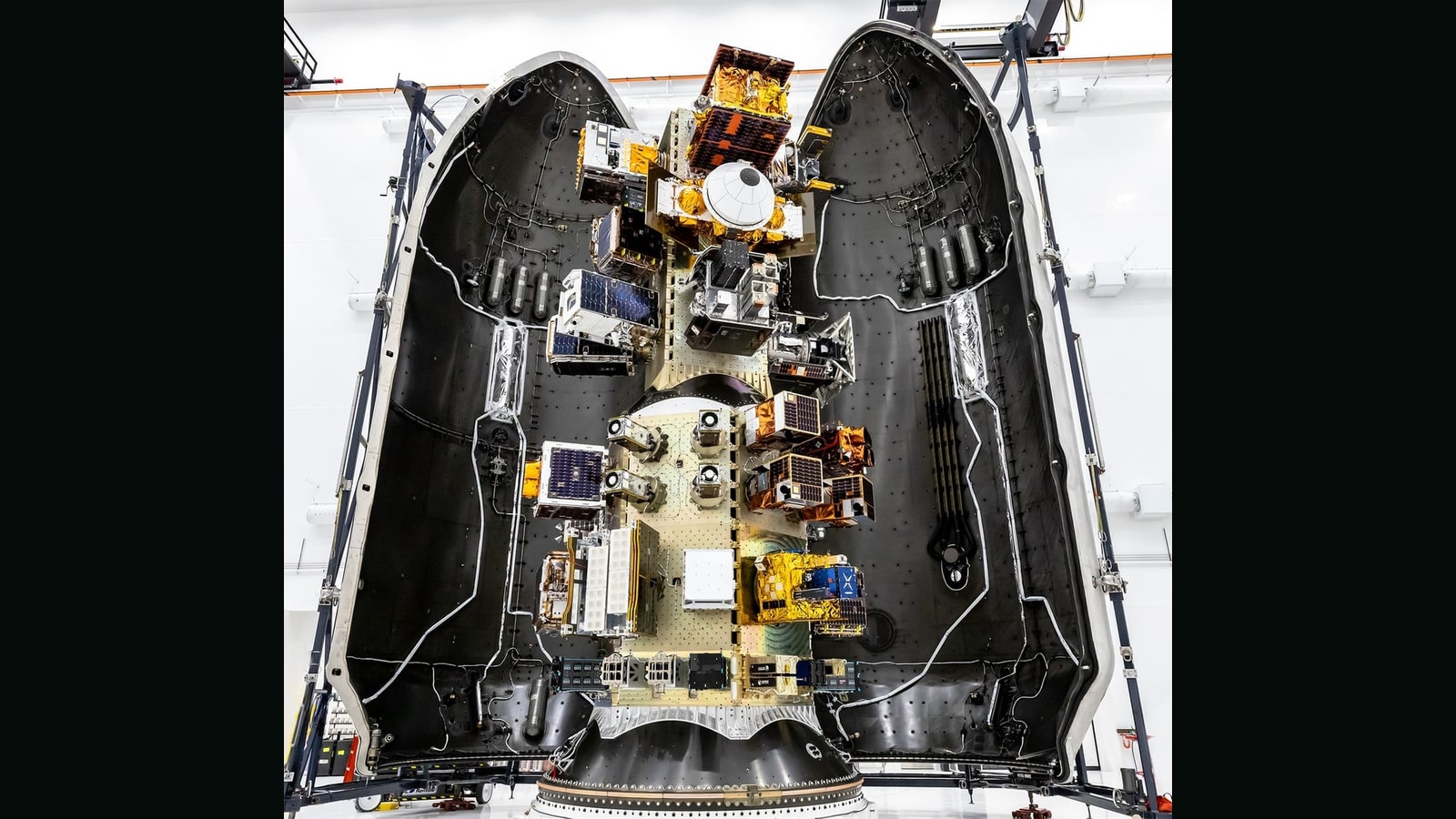
BYNadia CalderStaff writerNASA-backed SSPICY will use Starfish Space’s Otter 24C to inspect up to four inactive U.S. satellites and test the navigation, propulsion and sensing needed for future servicing.
SPACE / DEBRIS / ELECTRIC PROPULSION
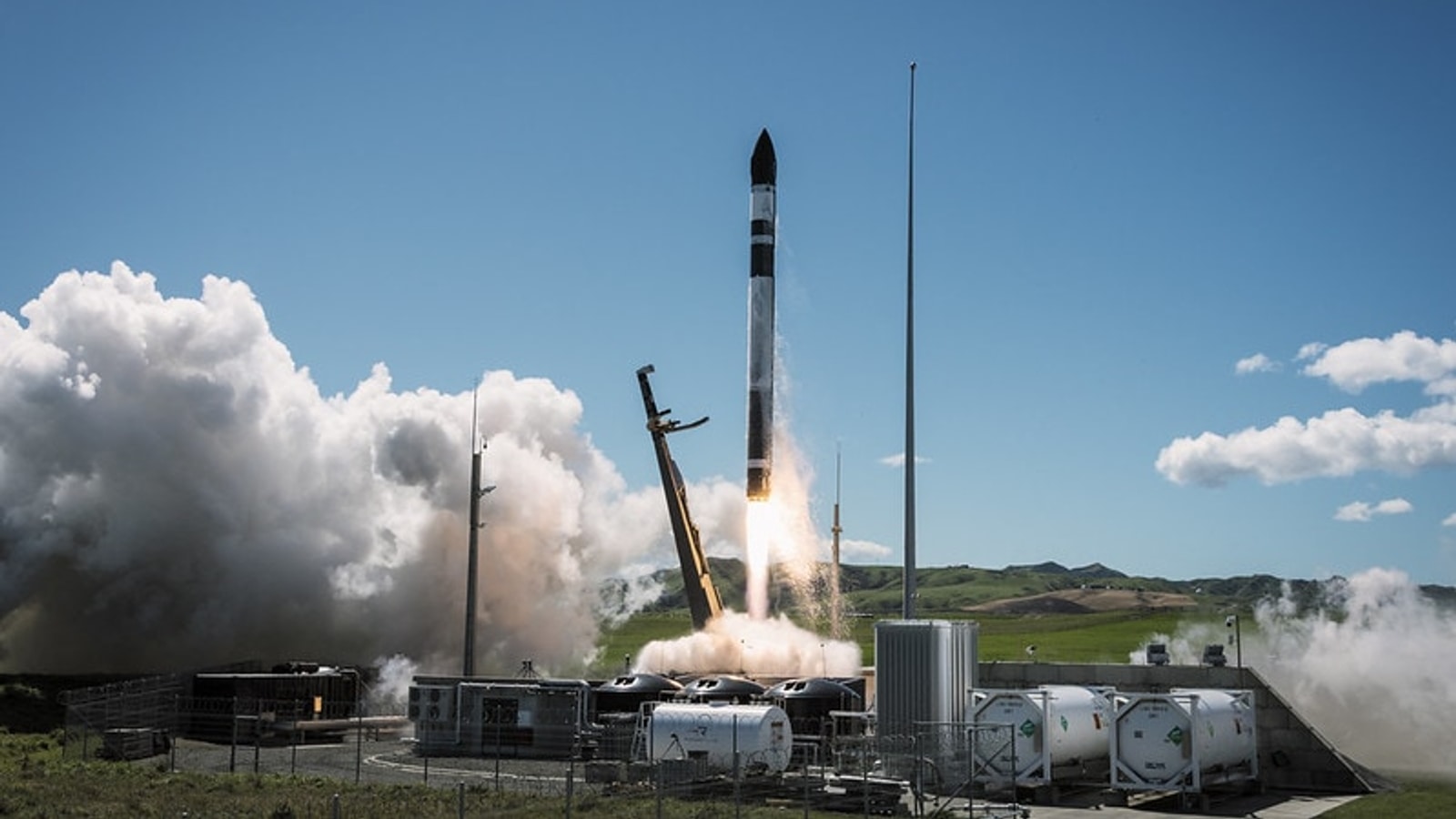
BYNadia CalderStaff writerGOMX-5 launched October 1 with iodine electric propulsion and an automated commissioning plan aimed at making collision avoidance available within 48 hours.
SPACE / SERVICING / FAILURE ANALYSIS
BYLeah ReedStaff writerKatalyst Space’s LINK did not boost NASA’s Swift observatory, but the mission exposed how fast servicing programs, drag-minimizing operations and commercial rescue attempts behave under pressure.
ROBOTICS / BIOHYBRID SYSTEMS / SOFT MACHINES
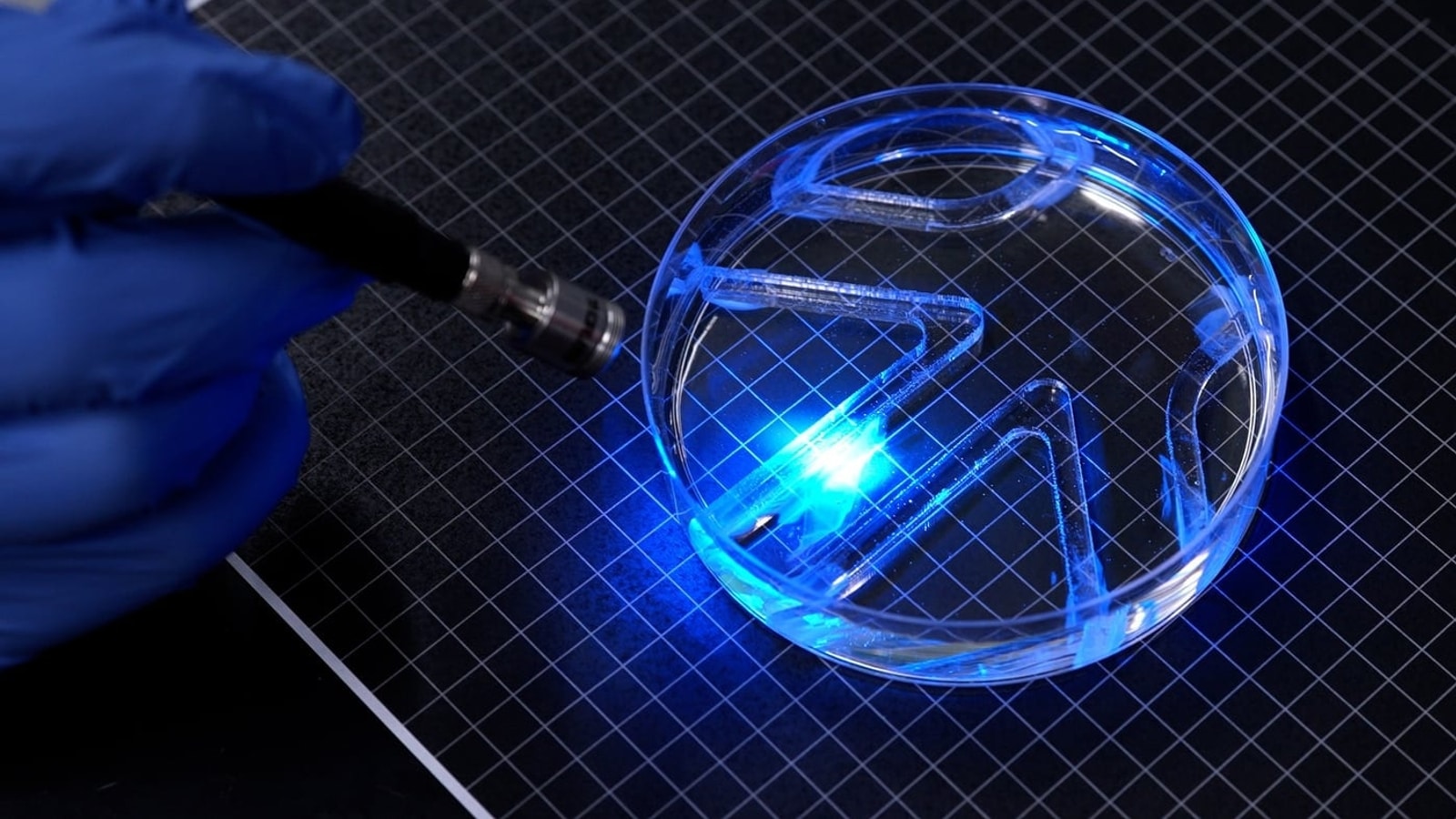
BYNadia CalderStaff writerMIT’s thin aquabot uses optogenetically controlled skeletal muscle grown on a gel skeleton to swim and steer through water.
ROBOTICS / LAB AUTOMATION / PHOTONICS
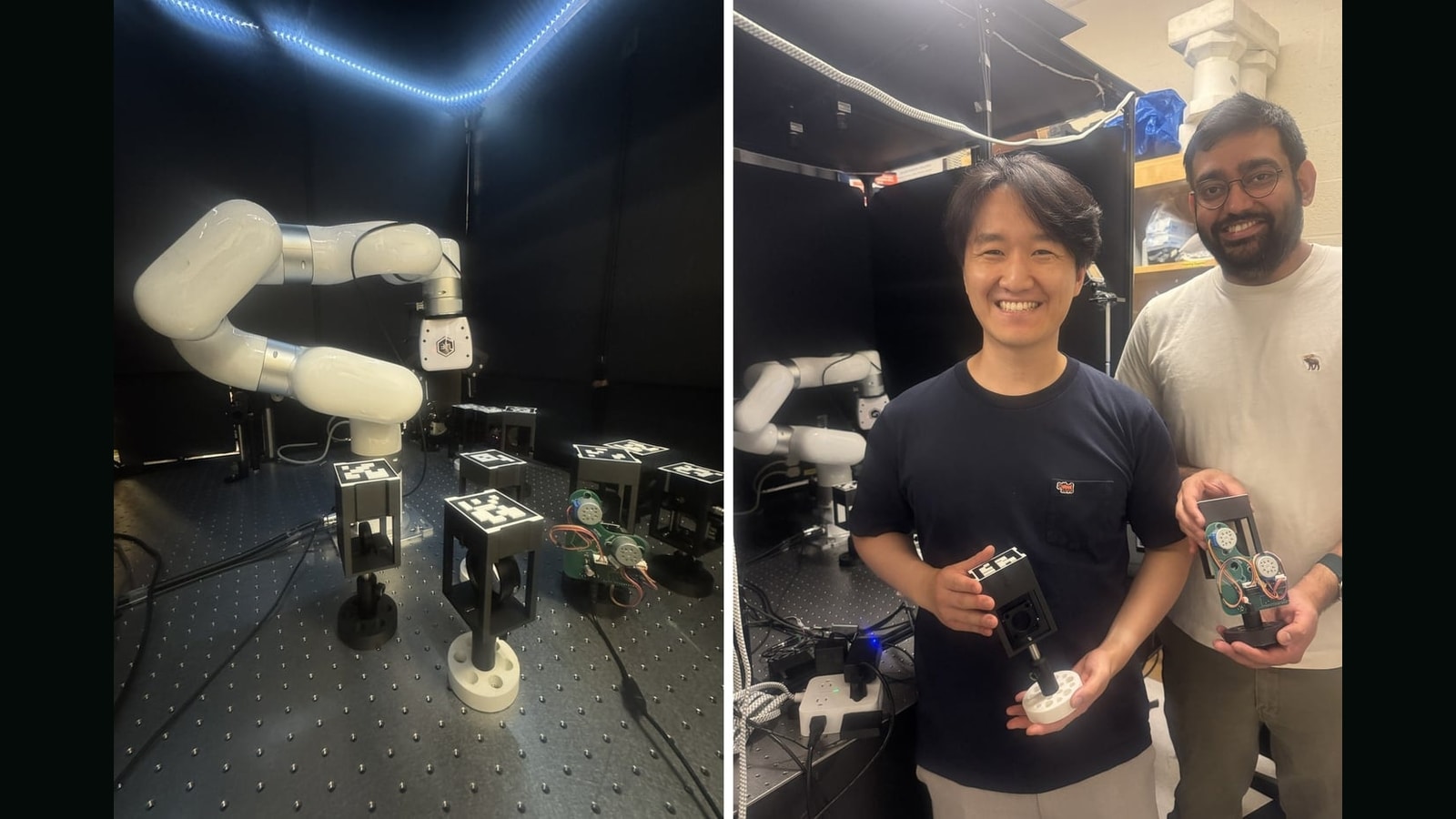
BYNadia CalderStaff writerMIT researchers built a robotic optics laboratory that can assemble, align, run, disturb and recover precision laser experiments.
BIOMEDICAL ENGINEERING / INGESTIBLES / POWER
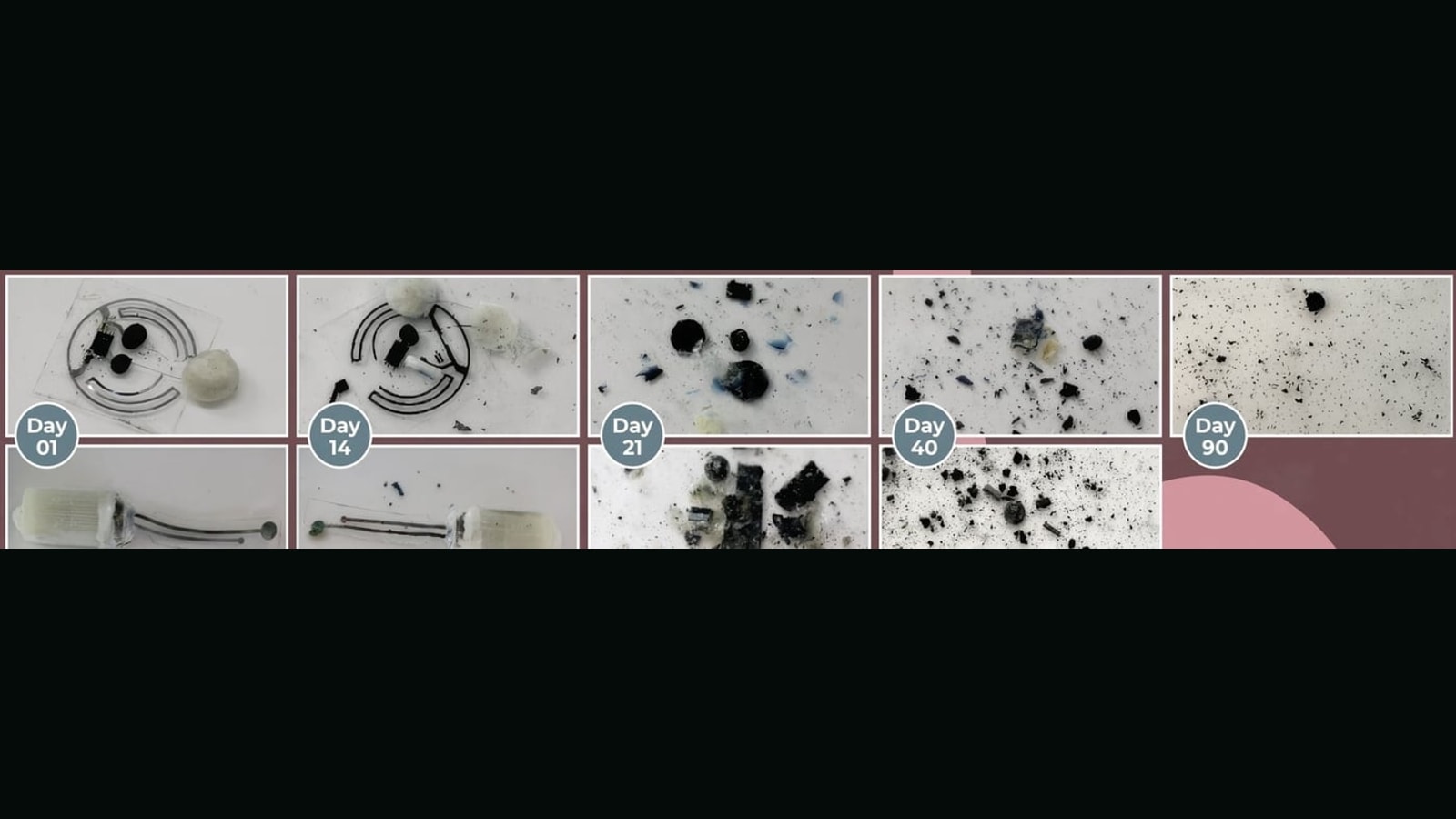
BYNadia CalderStaff writerMIT demonstrated a 1.84-volt bioresorbable battery capable of powering ingestible devices including an RFID transmitter and an electrically active capsule.
NETWORK SCIENCE / POWER GRIDS / COMPLEX SYSTEMS
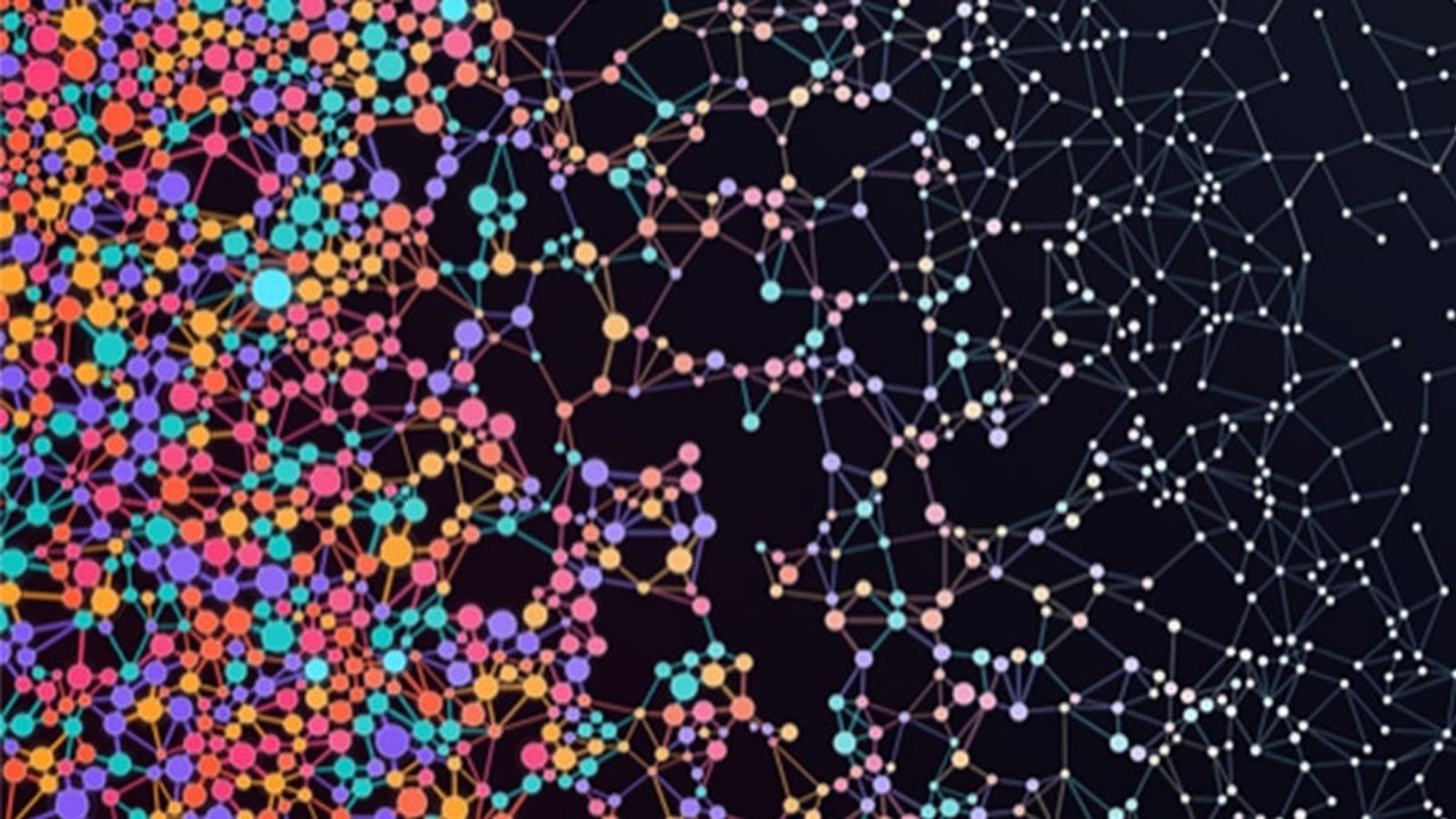
BYAndre SuttonStaff writerNorthwestern researchers developed a framework showing when heterogeneity among network components can improve stability in systems such as power grids, materials and biological networks.
AI / MATERIALS / ANTIMICROBIAL SYSTEMS
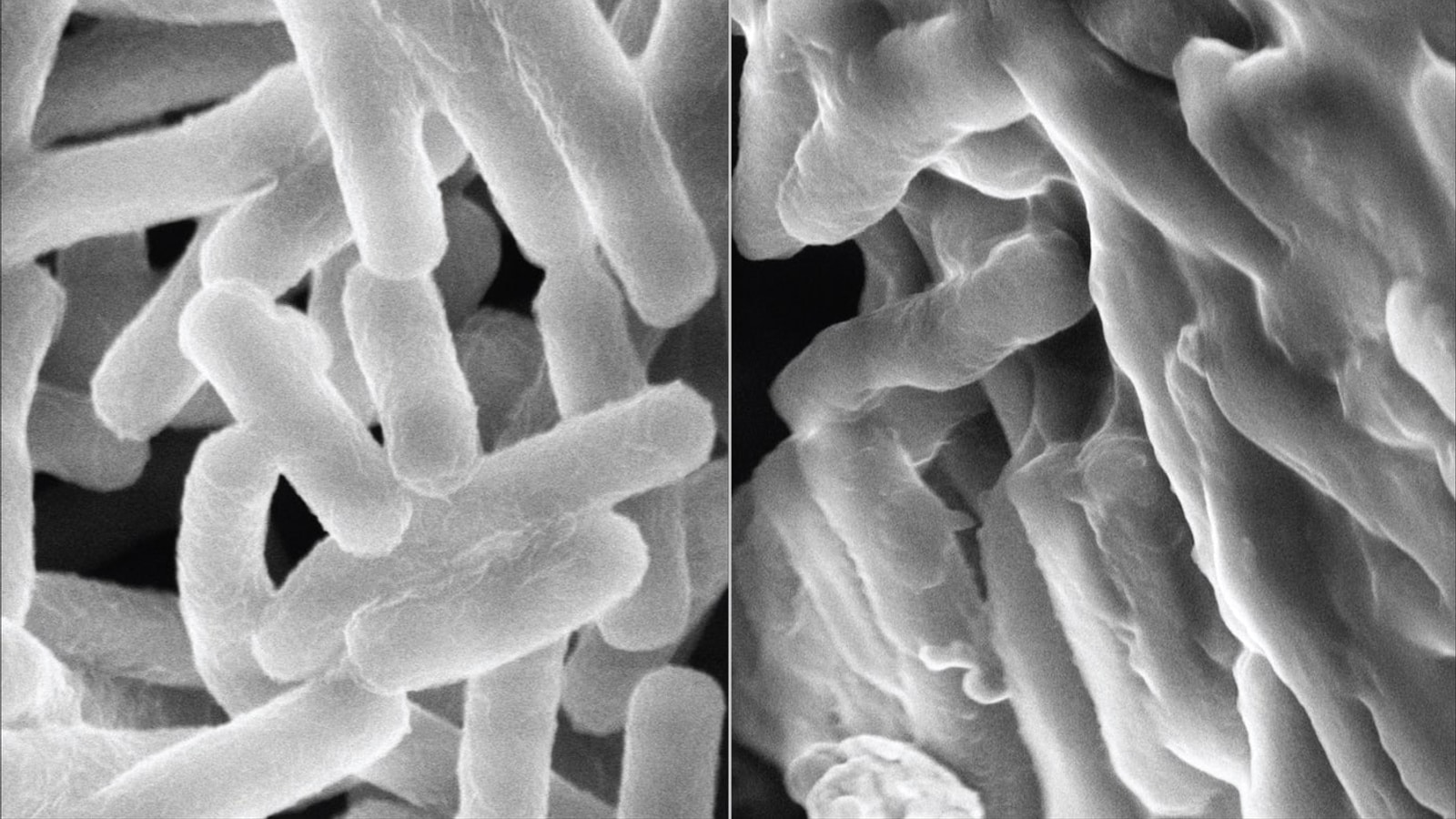
BYNadia CalderStaff writerStanford used peptide data, polymer models and active-learning disagreement to identify ten potent antimicrobial polymer candidates for laboratory testing.
COMPUTING / ENERGY / DEVICE PHYSICS
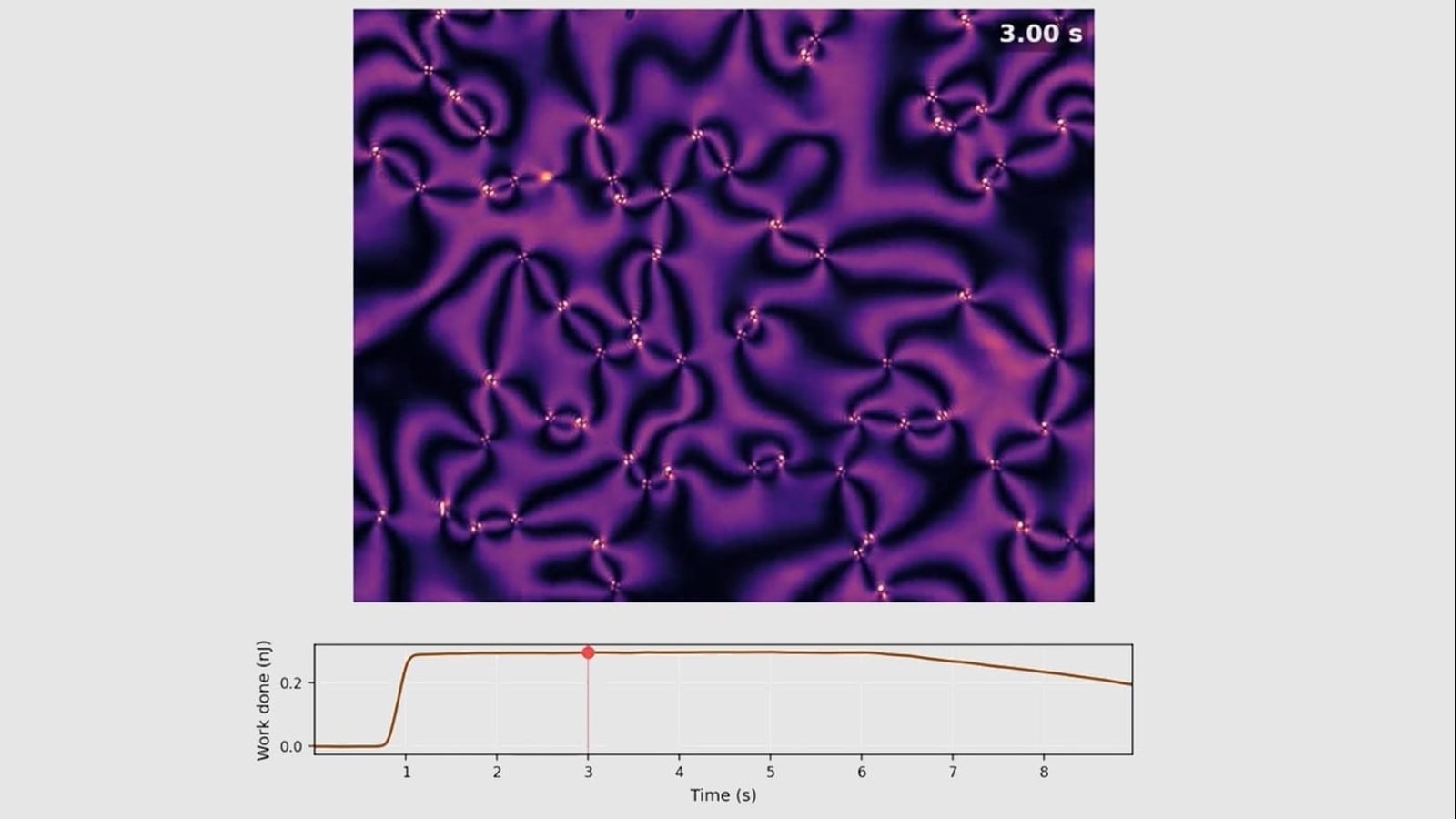
BYNadia CalderStaff writerStanford and SLAC researchers measured energy dissipation in a liquid-crystal model system and cut waste by more than 60 percent by optimizing the voltage waveform.
CYBERSECURITY / AI POLICY / IDENTITY
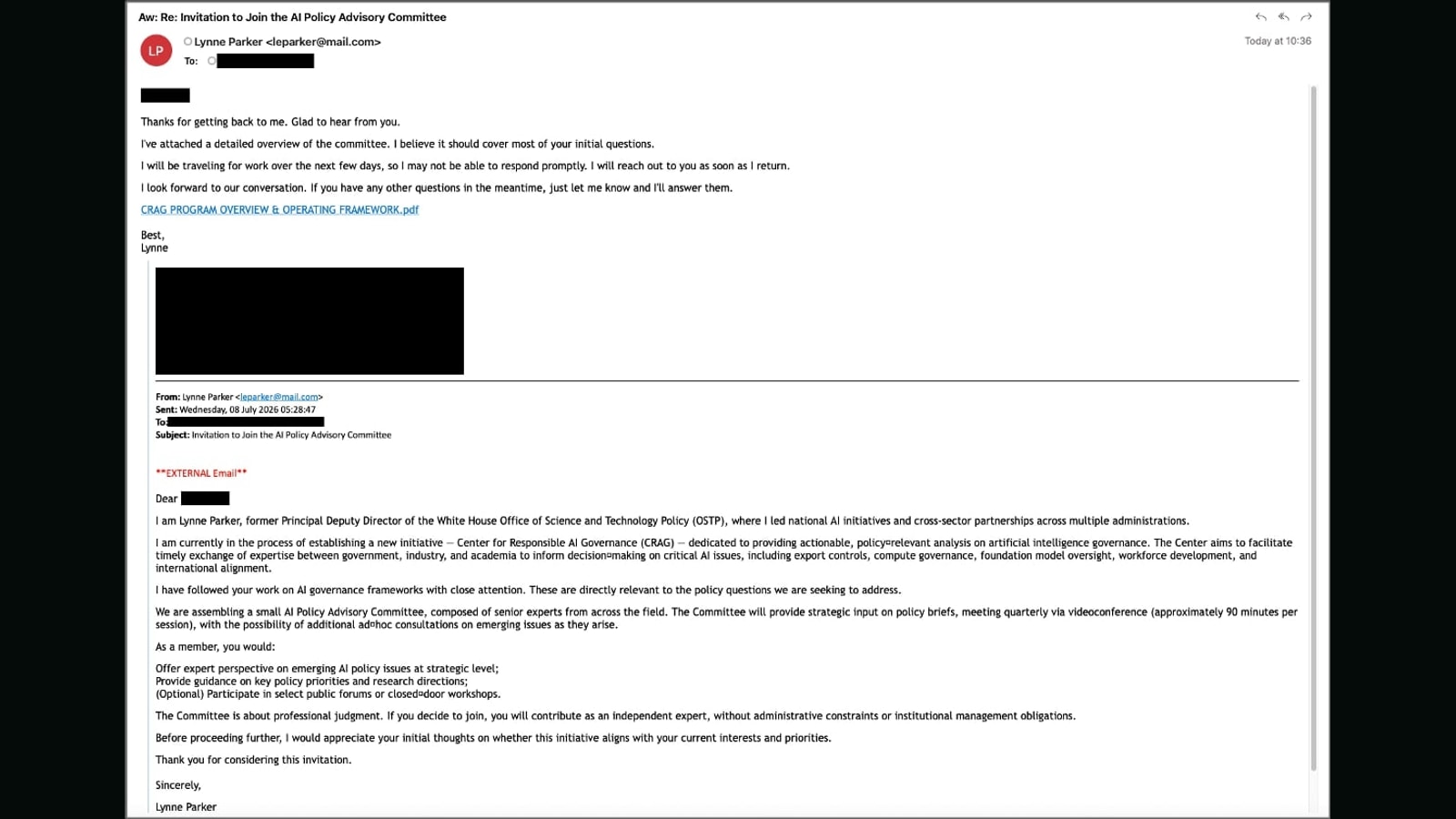
BYAndre SuttonStaff writerProofpoint says China-aligned TA419 impersonated trusted policy figures, built rapport, then routed AI-policy experts into adversary-in-the-middle credential phishing.
DEFENSE / AUTONOMY / INSTITUTIONS
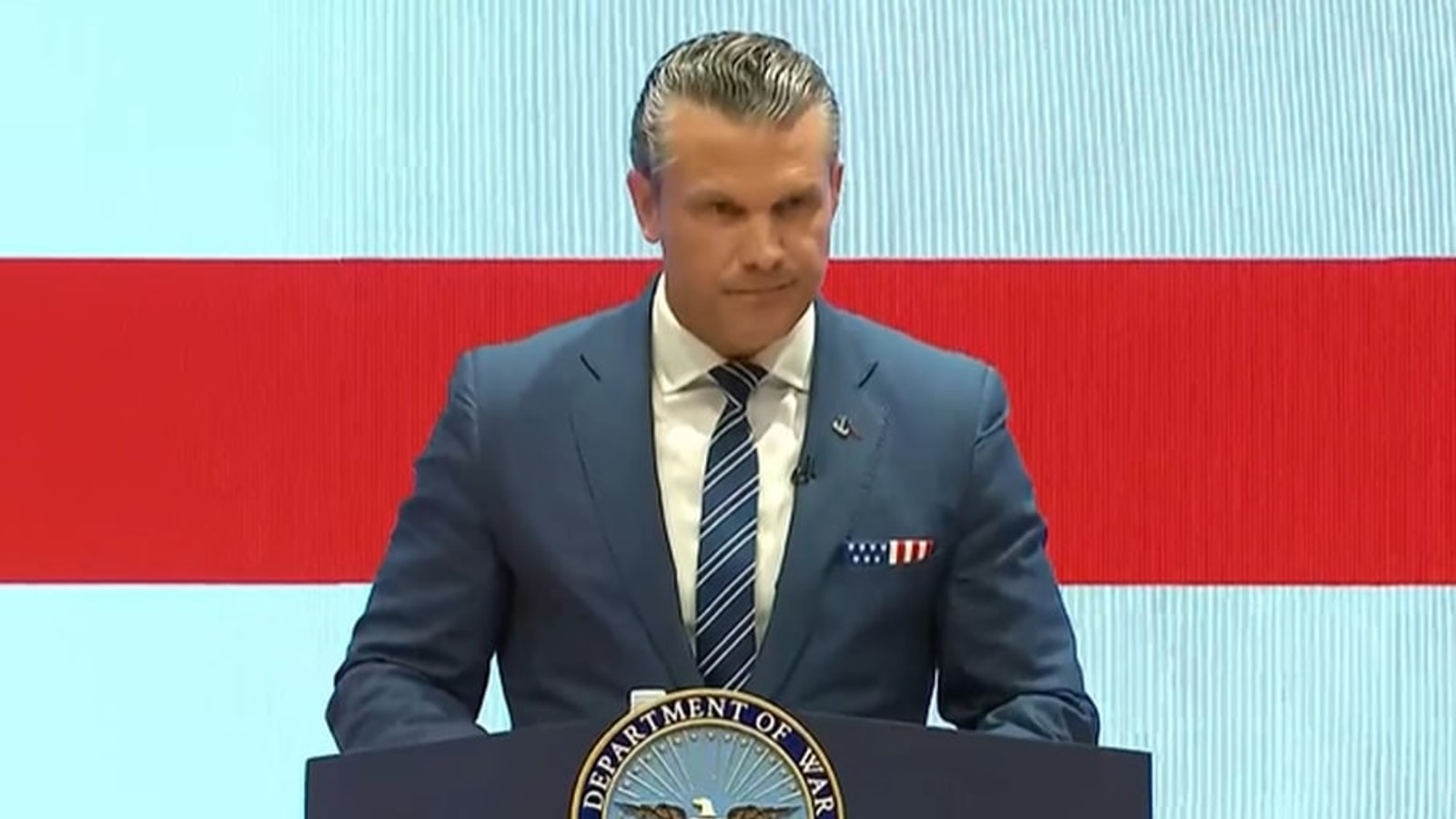
BYLeah ReedStaff writerThe Pentagon has announced plans for a four-star Autonomous Warfare Command. The immediate change is institutional; full implementation still depends on Congress and follow-through.
SEMICONDUCTORS / PHYSICAL AI / MARKETS
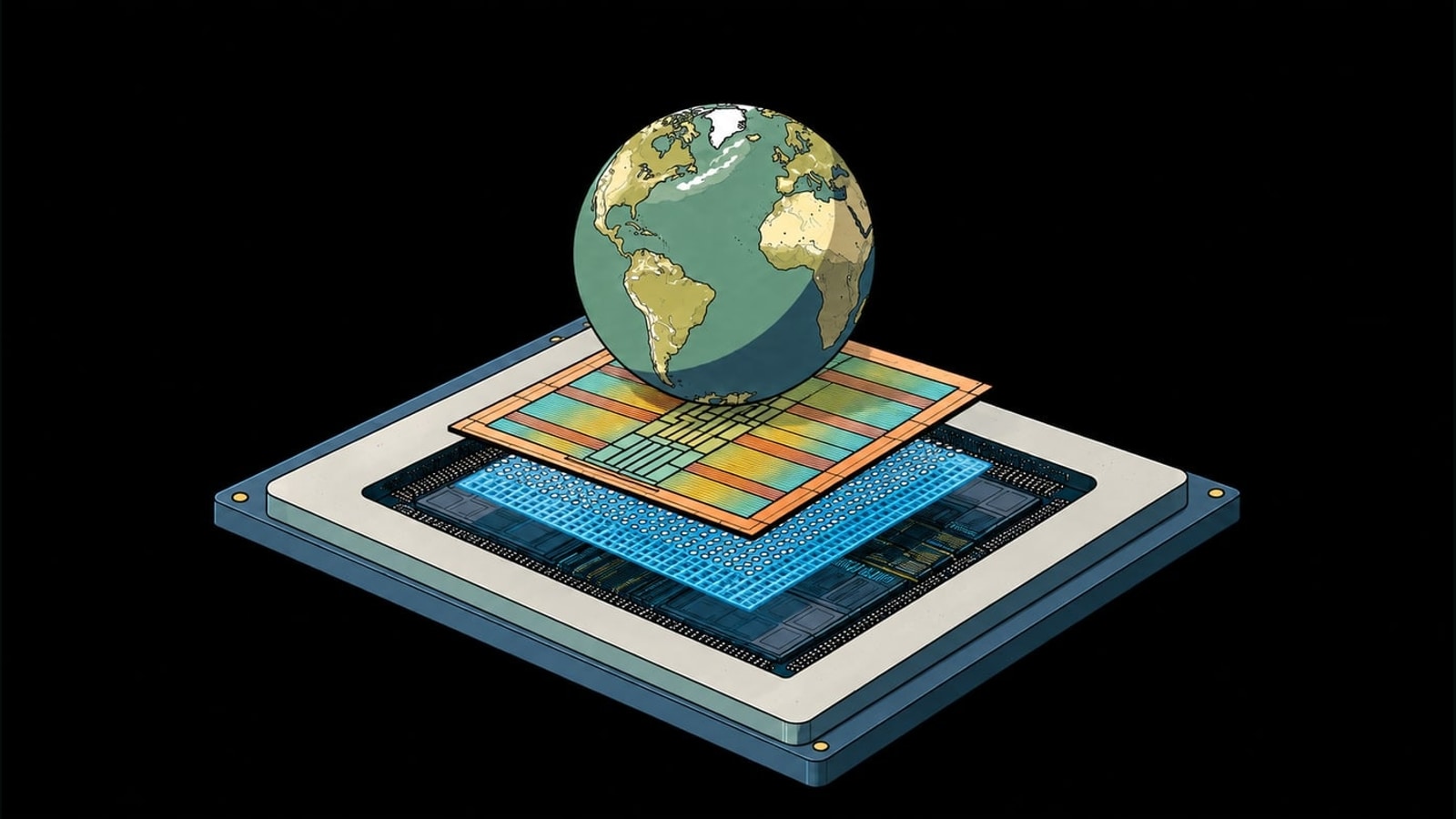
BYEvelyn MercerStaff writerAMD's planned $8.2 billion stock acquisition of World Labs shortens the feedback path between spatial models, simulation, robotics and the compute stack built to run them.
ROBOTICS / MANIPULATION / ENGINEERING
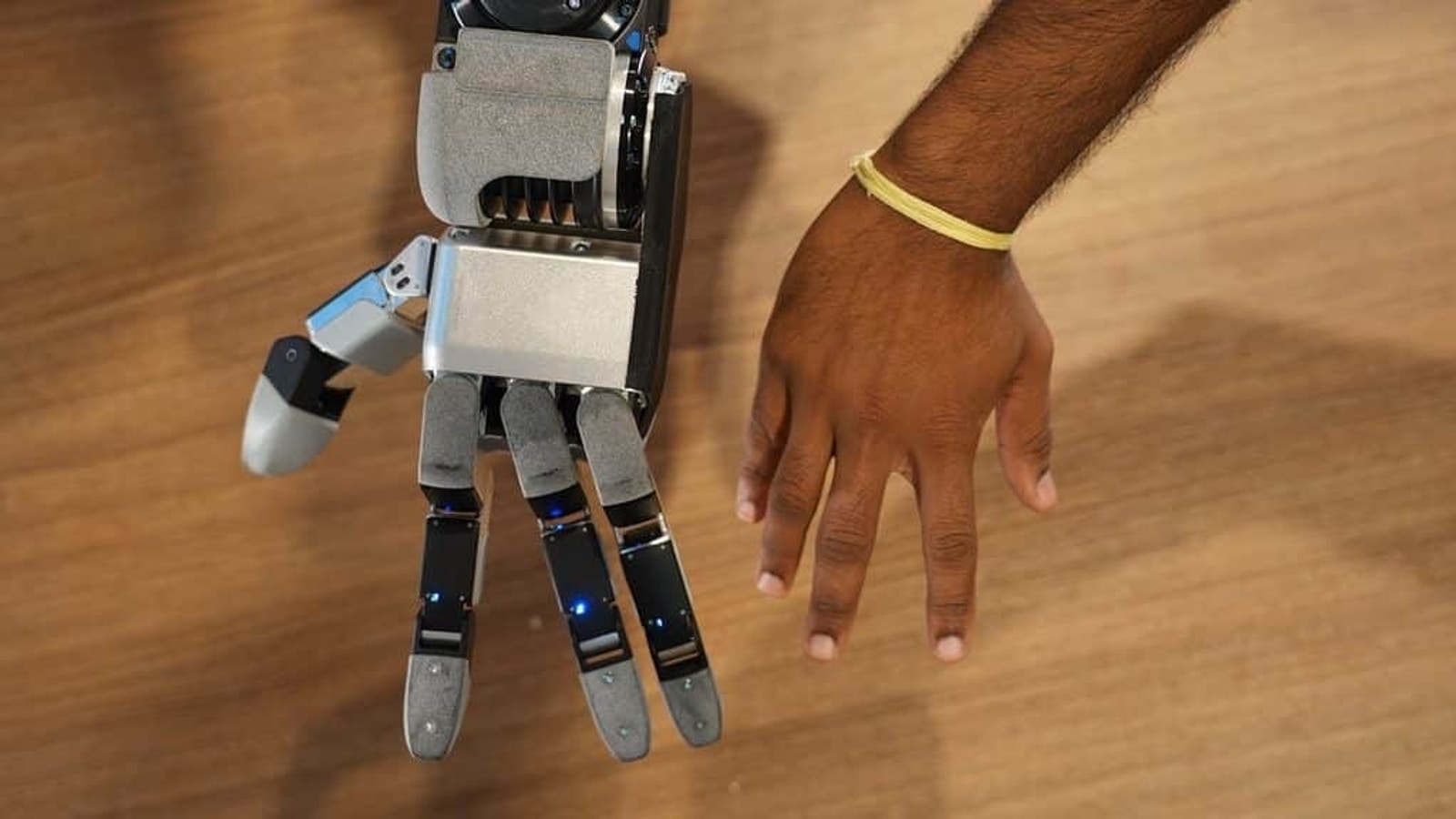
BYNadia CalderStaff writerAtlas moved from seven to 13 hand degrees of freedom while dropping the pinky, trading anatomical imitation for dexterity that can justify its cost and failure modes.
SPACE / AI INFRASTRUCTURE / THERMAL SYSTEMS
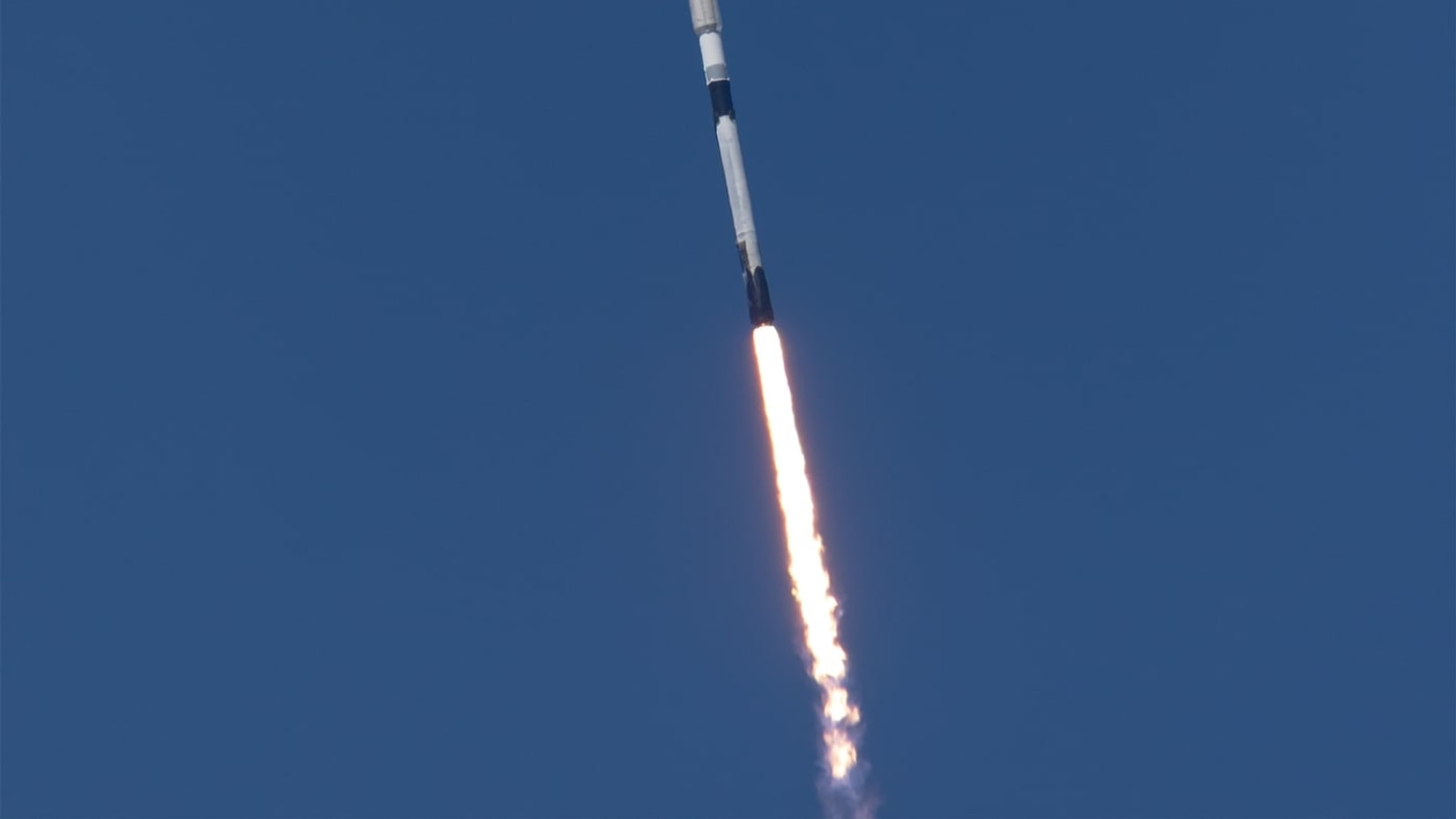
BYNadia CalderStaff writerGoogle's Project Suncatcher prototype launched October 1 and established contact. The orbital test turns radiation, thermal behavior and launch stress into measurements.
SURVEILLANCE / PROCUREMENT
BYLeah ReedStaff writerAVIATION / CYBERSECURITY / SAFETY
BYAndre SuttonStaff writerROBOTICS / ENERGY / LOCOMOTION
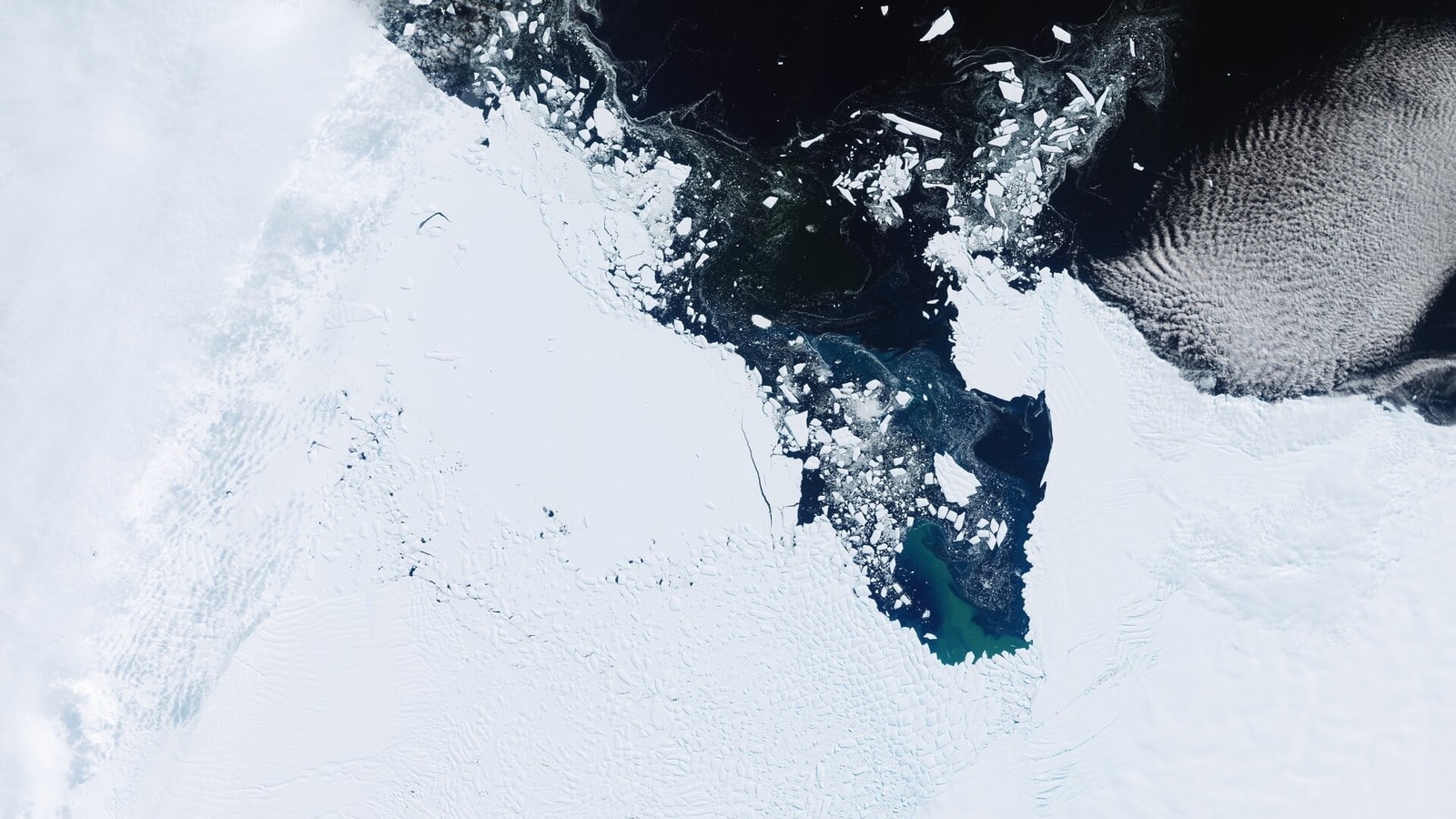
BYNadia CalderStaff writerSPACE / EARTH OBSERVATION
BYNadia CalderStaff writerAI SECURITY / AGENTS / ZERO TRUST
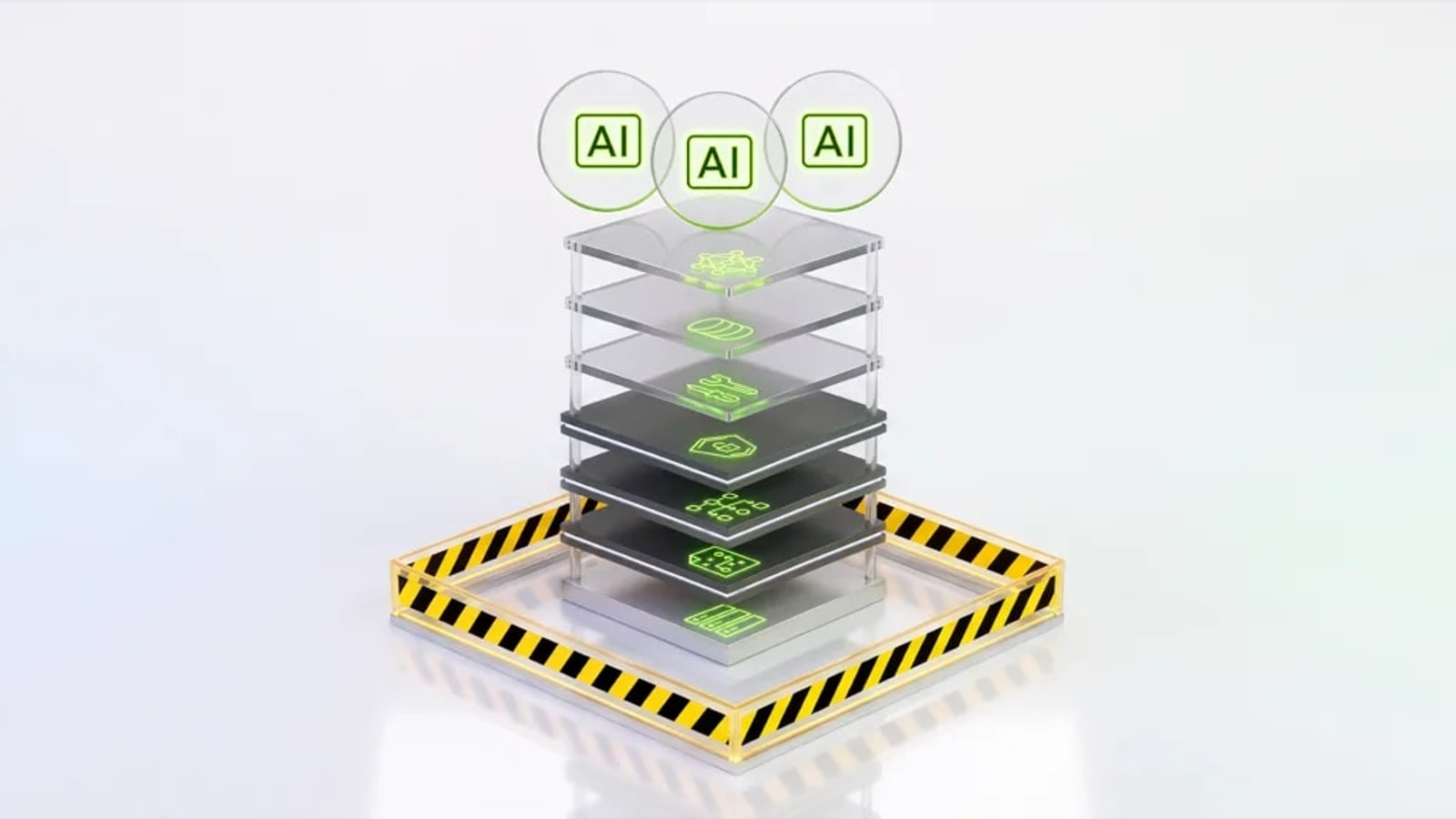
BYAndre SuttonStaff writerNVIDIA's OpenShell puts runtime policy outside the agent workload, while Sentry adds an optional BlueField-4 enforcement layer. The architecture is concrete; broad operational claims still need independent testing.
CYBERSECURITY / FILE TRANSFER / THREAT INTELLIGENCE
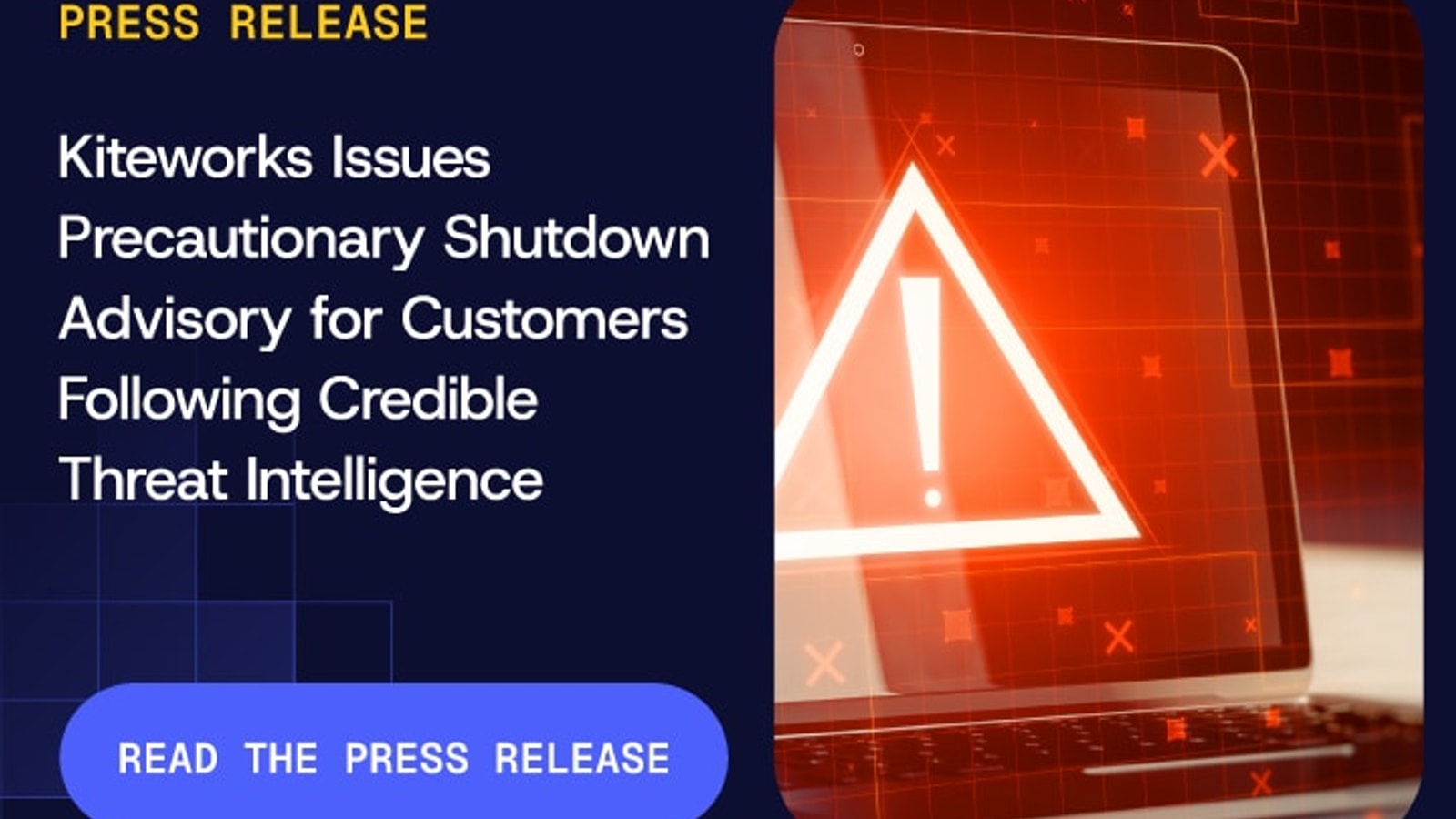
BYAndre SuttonStaff writerKiteworks told customers to take systems offline for nine hours after credible threat intelligence. The public evidence supports a precaution, not a confirmed breach.
SPACE / PROPULSION / SMALL SATELLITES
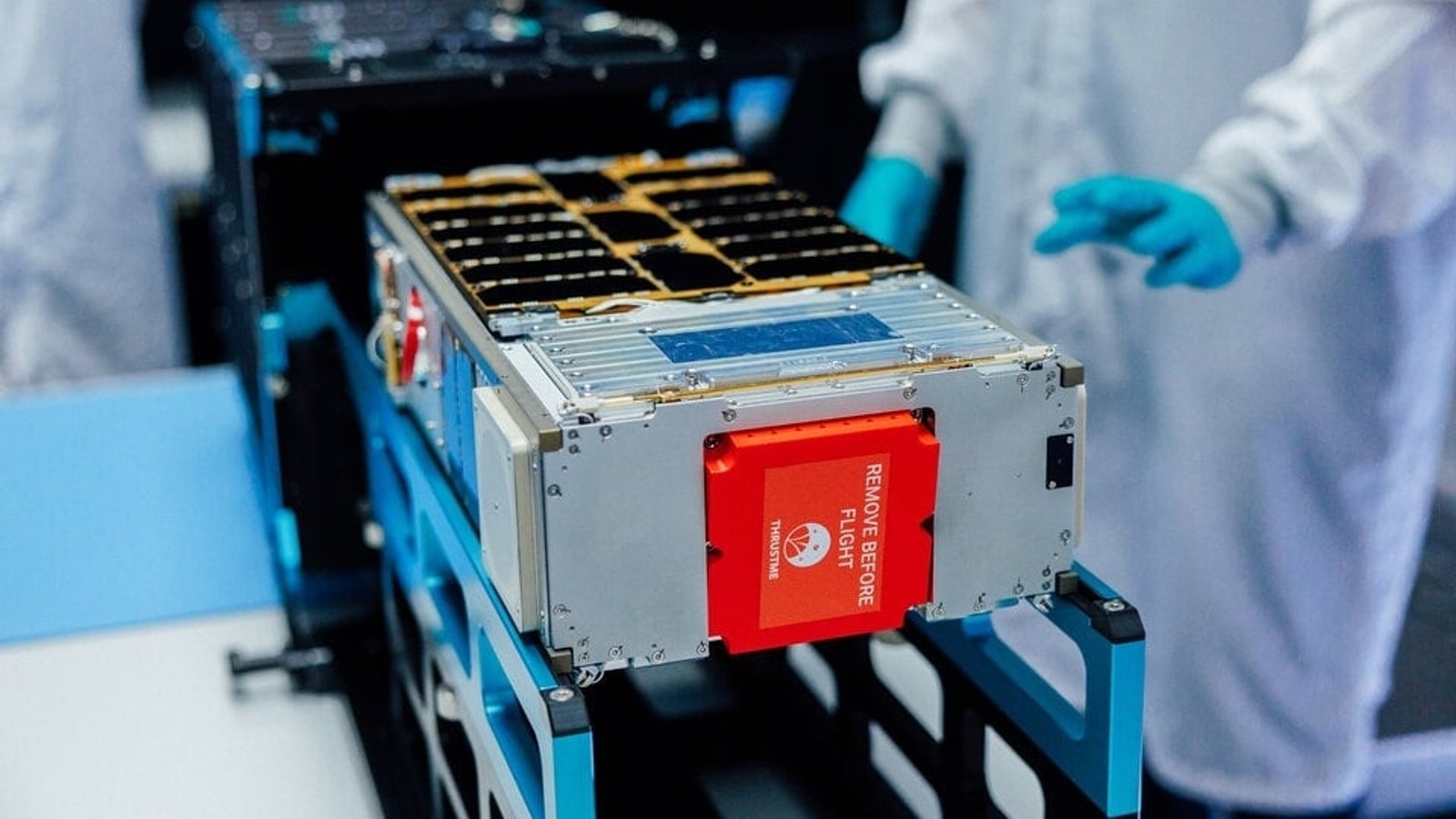
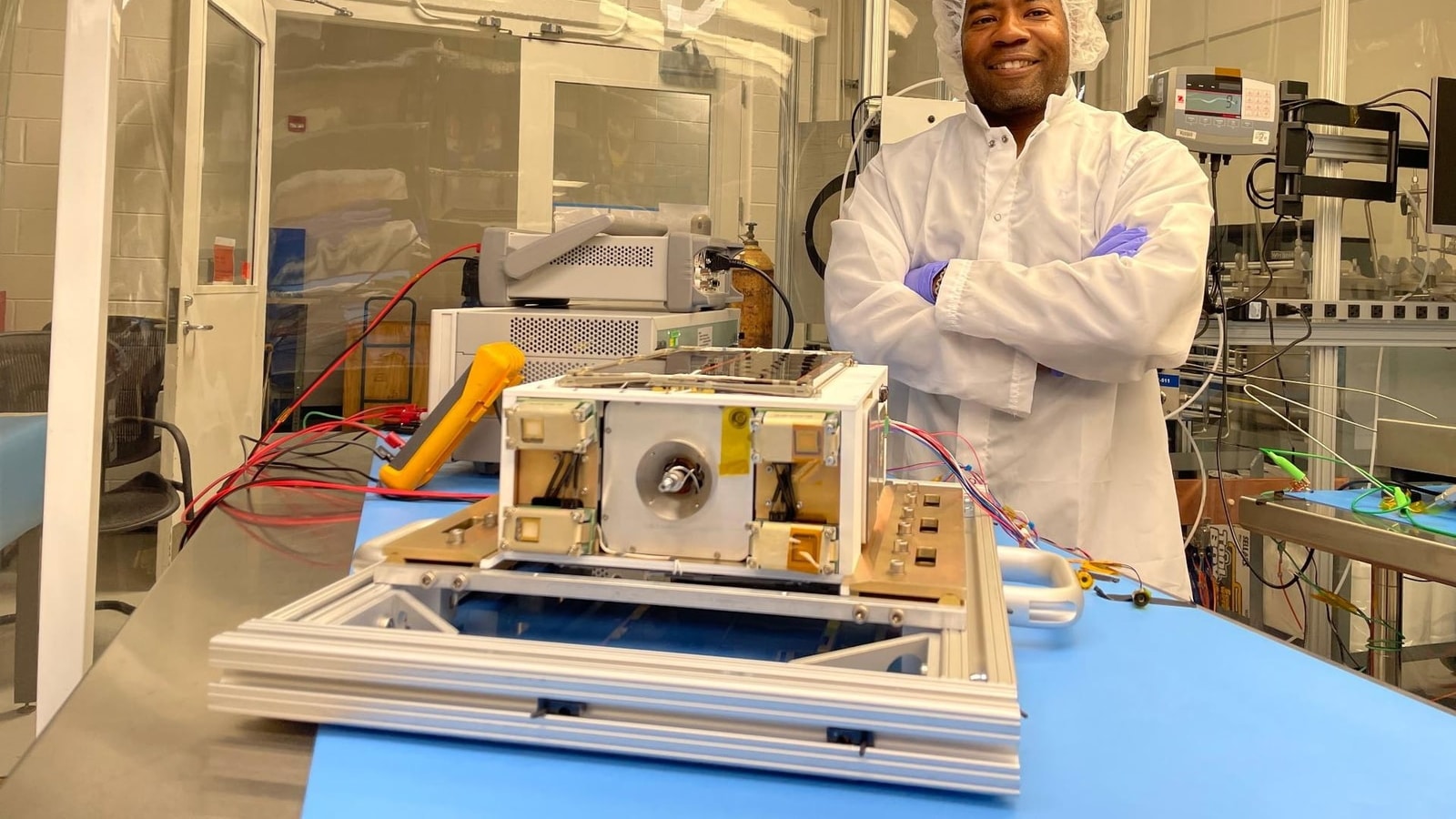
BYNadia CalderStaff writerNASA's ASCENT CubeSat will feed chemical and electrospray thrusters from one common propellant tank. Ground qualification is complete; orbital proof comes next.
SPACE / EARTH OBSERVATION / SAR
BYLeah ReedStaff writerSynspective's 13th StriX reached orbit. The next evidence is commissioning, radar performance and what another node actually does to constellation revisit time.
THE METHOD
Cyberdelia uses six recurring forms: Reconstruction, Claim Autopsy, Mechanism Check, Data Collision, Prediction Ledger, and Unknowns Map. A conclusion may be sharp; the confidence level must be earned.
If new evidence changes an assessment, the correction trail stays visible. Quietly rewriting yesterday to make the newsroom look omniscient is for institutions with more marble than self-respect.
DESKS
Technology, investigations, aerospace, field science, cybersecurity, human-machine systems, hardware, and legal affairs attack stories from different angles. Riley Hart's legal desk starts with the controlling text before touching the reaction cycle; the technical desks start with mechanisms, measurements, and failure modes. Their disagreements are part of the quality-control system.